
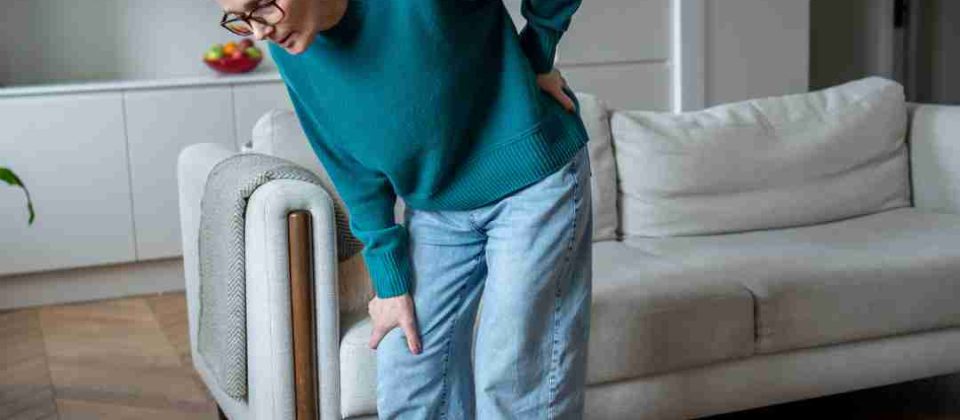
Back Strain- Safe Lifting
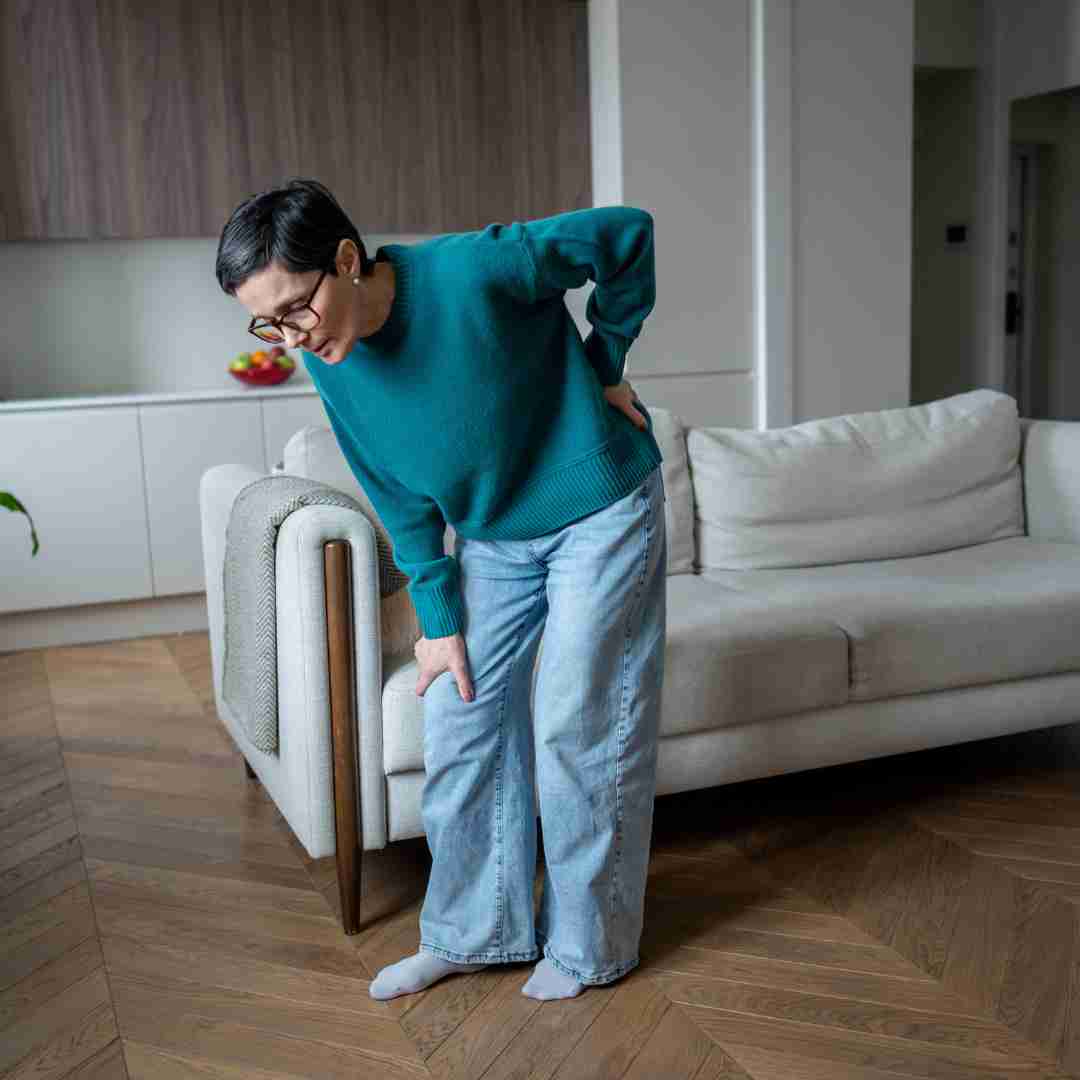
Next to headaches, back problems are the most common complaints of healthcare professionals.
The back is made up of bones, muscles, and connective tissues that help support your body and allow you to move. As we age, these parts can become less flexible and weaker, which makes the lower back more likely to be injured. Back strains and sprains are common in caregivers and older adults, especially during everyday activities like bending, lifting, or walking.
A back strain happens when a muscle or tendon is stretched or torn. Tendons connect muscles to bones. Strains often occur from lifting something too heavy, bending the wrong way, or doing the same movement over and over.
A back sprain occurs when a ligament is stretched or torn. Ligaments connect bones and help keep joints stable. Sprains may happen after a fall, a sudden twist, or losing your balance.
You may be more likely to have a back strain or sprain if you:
- Have weaker back or stomach muscles
- Have arthritis or balance problems
- Are overweight
- Have tight leg muscles
- Have had previous back injuries
Common Symptoms
Symptoms of a back strain or sprain may include:
- Back pain that gets worse when you move
- Muscle tightness or spasms
- Stiffness or difficulty standing up straight
- Trouble walking, bending, or getting out of a chair
- A sudden sharp pain
Mild back strains and sprains can be diagnosed through a physical exam. The terms “strain” and “sprain” are often used interchangeably. X-rays or other tests may be ordered if the pain is severe, lasts a long time, or is accompanied by weakness or numbness.
Tips to Prevent Back Injuries
You can help protect your back by:
- Staying active with gentle exercises like walking or stretching
- Using proper posture when sitting and standing
- Bending at your knees, not your waist, when lifting
- Keeping pathways clear to prevent falls
- Wearing supportive, well-fitting shoes
- Avoiding smoking, which can slow healing
Proper Lifting
As a caregiver, you may have to help the person in your care move to a chair or be asked to pick up a heavy object. It is very easy to be injured doing this and left unable to perform your caregiving duties. A little attention to the safest way to move your body—and the person in your care—will keep you from unnecessary injury. Most muscle injuries to both the caregiver and care receiver are preventable if you follow some simple rules.
The proper use of our bodies is called body mechanics. It involves standing and moving in ways that prevent injury, avoid fatigue, and make the best use of strength. When you learn how to move, control and balance your own body, it’s easier to control and help or move another person. These tips will help you use proper body mechanics and be safe.
- Only lift as much as you can comfortably handle.
- Always let the person you are helping know what you are going to do.
- To create a base of support, stand with your feet 8”–12” apart with one foot a half step ahead of the other.
- Bend your knees slightly.
- Keep your spine in a neutral (normal arched curve, not stiff) position while lifting.
- USE YOUR LEGS instead of your back to do most of the work—leg muscles are stronger than back muscles.
- If you can adjust the bed, keep the top at about waist level. If it is low or you are tall, put one foot on a footstool to relieve pressure on your lower back.
Helpful Caregiver Advice for Moving a Person

Get training from a physical therapist for a specific move or a transfer.
- Plan the lift—check the area for slippery spots or possible tripping hazards. Wearing non-skid heels and soles will be safer for both you and the person you are assisting.
- Tell the person what you are going to do.
- Before starting the move, count with the person, “1-2-3.”
- To feel in control, get close to the person you are moving or lifting.
- Keep your back in a neutral position, knees bent, weight distributed between both feet. Tighten your stomach and back muscles to maintain a correct support position.
- Use your arms to support the person.
- Again, let your legs do the lifting.
- Turn, rather than twist, your body.
- Breathe deeply and keep shoulders relaxed.
- When needing to give a lot of assistance with transfers, tie a strong belt or a transfer belt around the person’s waist and hold it as you complete the transfer. In some situations, you may need a lift device, such as a Hoyer lift, to help you.
- Avoid twisting at the waist when moving the person from bed to wheelchair. Instead of twisting, turn your whole body, starting with your feet.
Memory Care – Choose Safe Footwear
The soles of our feet have nerves that help us judge the position of our bodies. To work correctly, our feet need to be in touch with the ground and our shoes need to stay securely with the foot as we take each step, otherwise, falls may occur. Have the person with dementia wear sensible, low-heeled shoes that fit well and support the feet. There should be no marks on their feet when they take off their shoes and socks.

Taking Care of Yourself- Vitamin C from Citrus Fruits
Citrus fruits like oranges and grapefruits are at their sweetest and juiciest in winter, when conditions are ideal for ripening. They’re also packed with nutrients that support immunity and healing. Citrus fruits are especially rich in vitamin C. Vitamin C helps form immune cells, supports wound healing and tissue growth, and improves absorption of plant-based iron. While citrus won’t cure a cold, regular intake may slightly shorten its duration. Eating whole fruits also provides fiber, hydration, and antioxidants that juice and supplements lack.
Be wary of medication interactions. Grapefruit and grapefruit juice can interfere with some medicines by blocking an enzyme that helps metabolize certain drugs. If you take prescription medications, ask your doctor before consuming grapefruit.
Source: New York Times; How Healthy is Citrus Fruit
Safety Tips- Preventing Back & Neck Pain
If you are overweight, lose weight. Excess weight puts extra stress on back and stomach muscles and on joints. One pound of extra weight puts four extra pounds of stress on knee joints. To help prevent injuries yourself, get plenty of rest and maintain:
- Good nutrition.
- Physical fitness.
- Good body mechanics.
- A stress management program such as daily meditation.
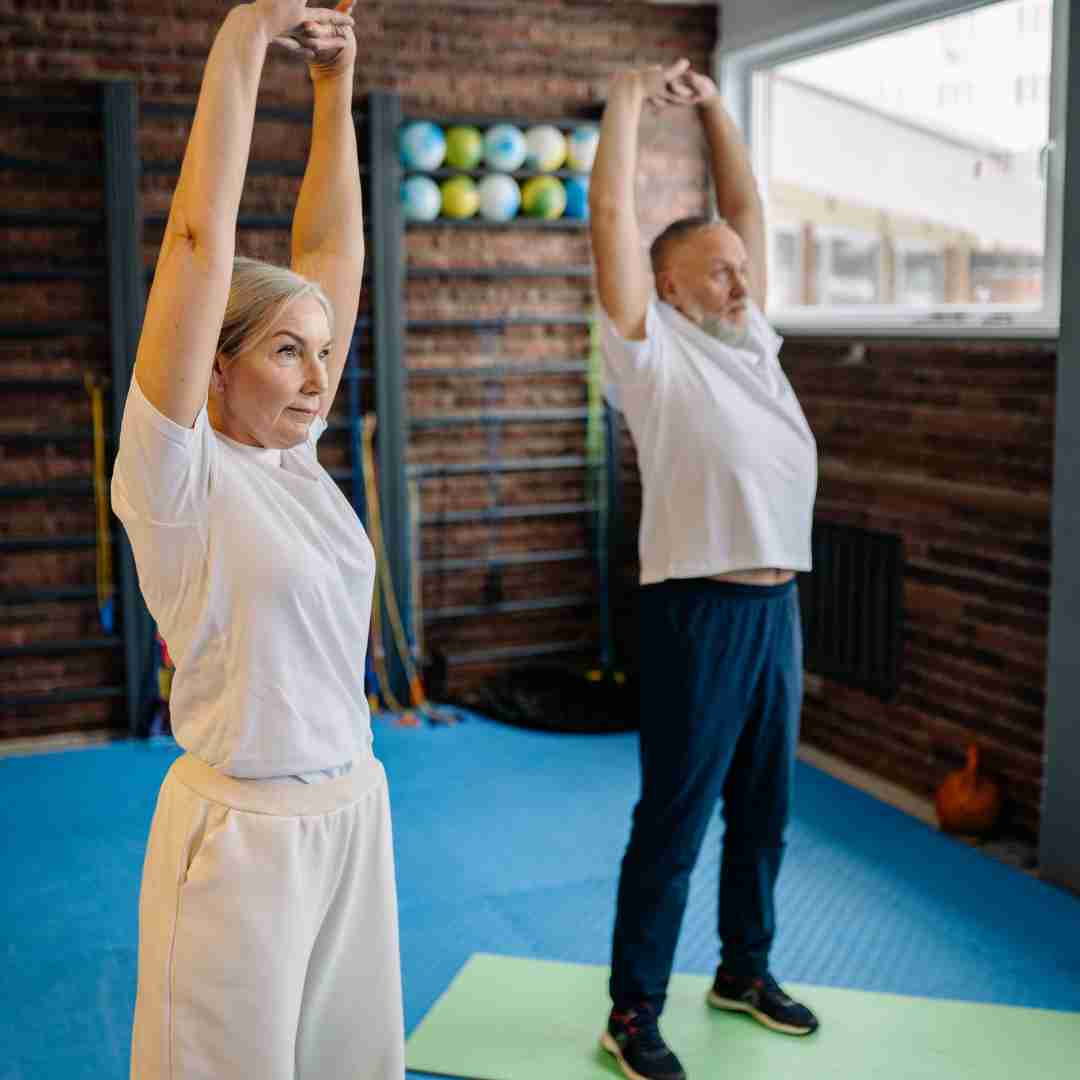
- A stretching routine before you lift to get blood flowing to the muscles as well as to the discs between the vertebrae in the spine.
- A back strengthening exercise program.
- Do not smoke. Both smoke and nicotine cause your spine to age faster than normal.