
Balance Problems – Falls
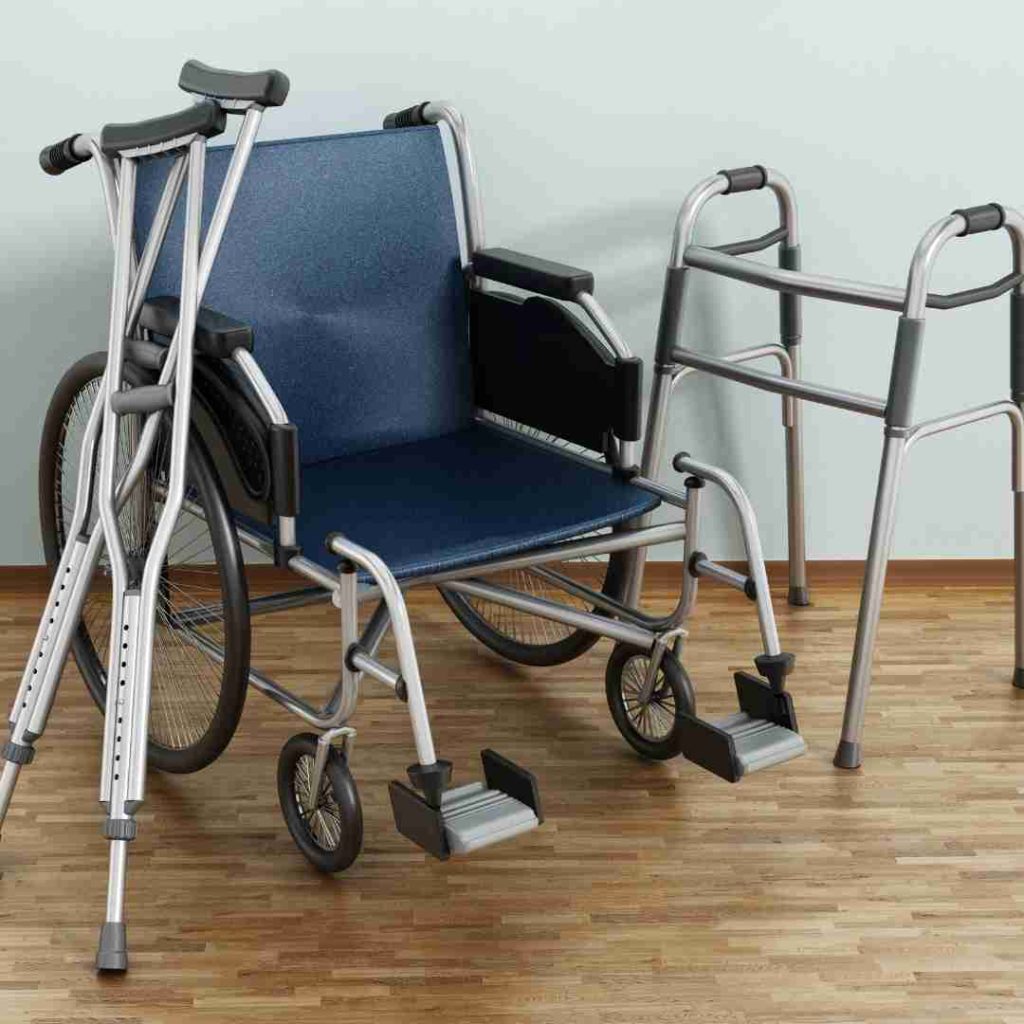
There are many reasons why older adults are at risk of falling, including the effects of medications, slowed reaction times, brittle bones, stiffness, and lack of flexibility and impaired vision. Due to changes in the brain that are caused by Alzheimer’s disease (AD), people with AD are at especially high risk of falling. Slower reaction time, difficulty recognizing changes in the height or depth of a step, for example, can lead to tripping and falling. Changes in balance and coordination combined with poor memory can make it difficult for a person with AD to both get from one place to another—and avoid hazardous objects at the same time. He may miss a step while looking for a door or trying to listen to someone’s conversation. You can reduce the risk of falling by modifying the environment. You can also try to help the person in your care remain as active and flexible as possible. It is also important to provide appropriate footwear and review medications with his doctor. But if in spite of your efforts the person does fall, the following guidelines will help you to respond.
Fear of Falling
A person with AD, even in the early stages, probably will have subtle changes in walking ability that will become more severe as time goes on. This can create difficulty with balance. If the person has other illnesses, the problems may be more severe. It is natural that he will fear falling.
To help the person in your care feel more confident, adaptive devices such as walkers or canes can be useful, but you will have to remind him to use these devices. Bring the cane or walker to the person when he has forgotten it. Exercises that you can do with the person in your care may improve his balance. Remember, before starting any type of exercise routine, get advice from your physician. Start slowly with only moderate effort. Give the care receiver time to build strength and stamina. Any amount of exercise helps reduce risk, and the benefits of exercise are cumulative, so find a way to make it easy and enjoyable to exercise, perhaps with popular music from his era. Exercise is a particularly effective way to reduce depression.
NOTE: Falls among adults 65 and older caused over 38,000 deaths in 2021, making it the leading cause of injury death for that group. In 2021, emergency departments recorded nearly 3 million visits for older adult falls. Source: CDC
If the Person in Your Care Falls
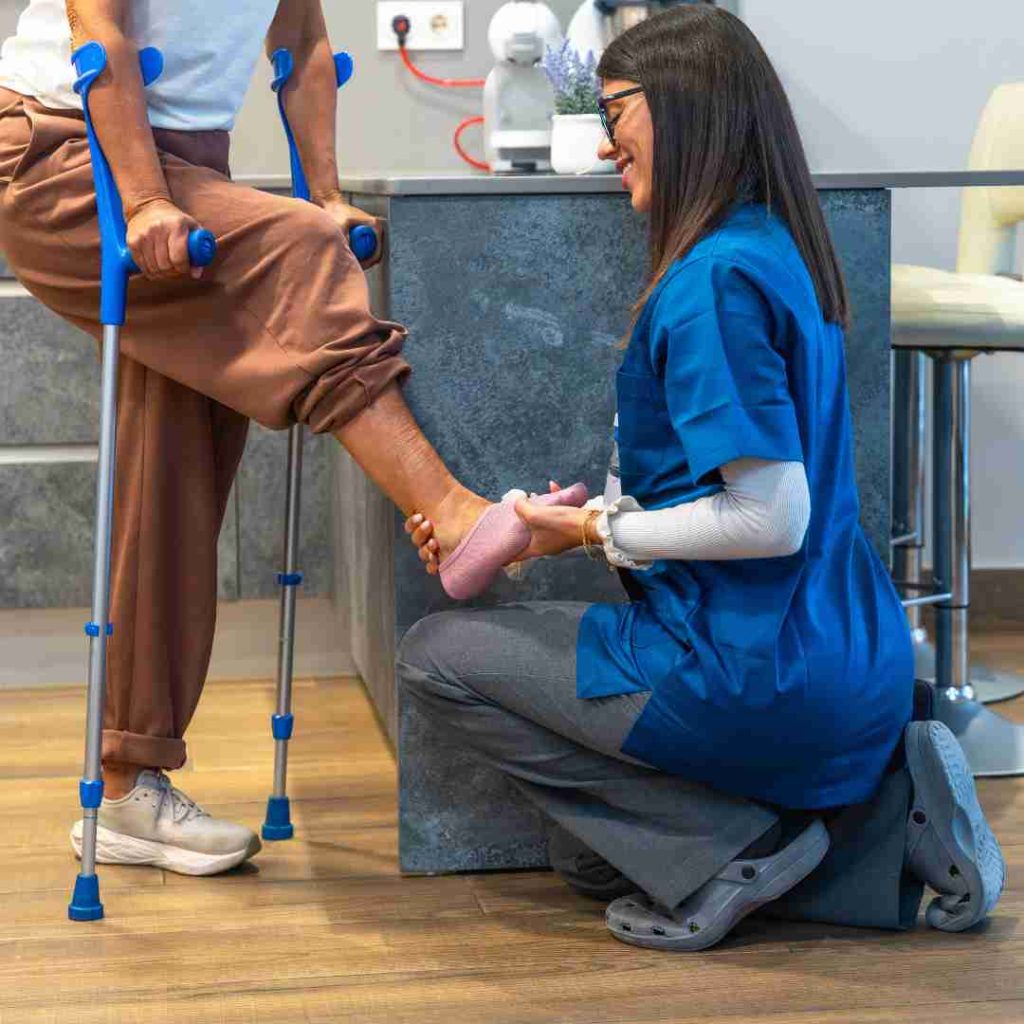
When you suspect a broken bone, follow these steps:
- If the person cannot move or use the injured limb, keep it from moving. Do not straighten a deformed arm or leg.
- Support the injured part above and below the site of the injury by using folded towels, blankets, pillows, or magazines if the person cooperates.
- If the person is face down, and breathing is adequate, leave the person in the same position.
- Keep the person warm with a blanket and make the person as comfortable as possible.
- Call 911.
If you suspect the person in your care has fainted:
- Do not try to place the person in a sitting position. Instead, immediately lay him down flat.
- Cover him with a blanket if the room or floor is cold.
- Do not give fluids.
- Call 911 if person is having difficulty breathing, not breathing, or not responding to your voice and touch.
Source: The Comfort of Home for Alzheimer’s Disease
NOTE If you fall, you may not be able to rely on a person with AD to help you or to call for help. Consider enrolling yourself in a First Alert type service, that you can activate in a fall emergency.
Memory Care – Hearing Aids
The senior with AD should get regular hearing checkups and consider hearing aids if needed. Note, a person can be startled into a fall by someone or something approaching from behind.
Taking Care of Yourself- Dry Skin
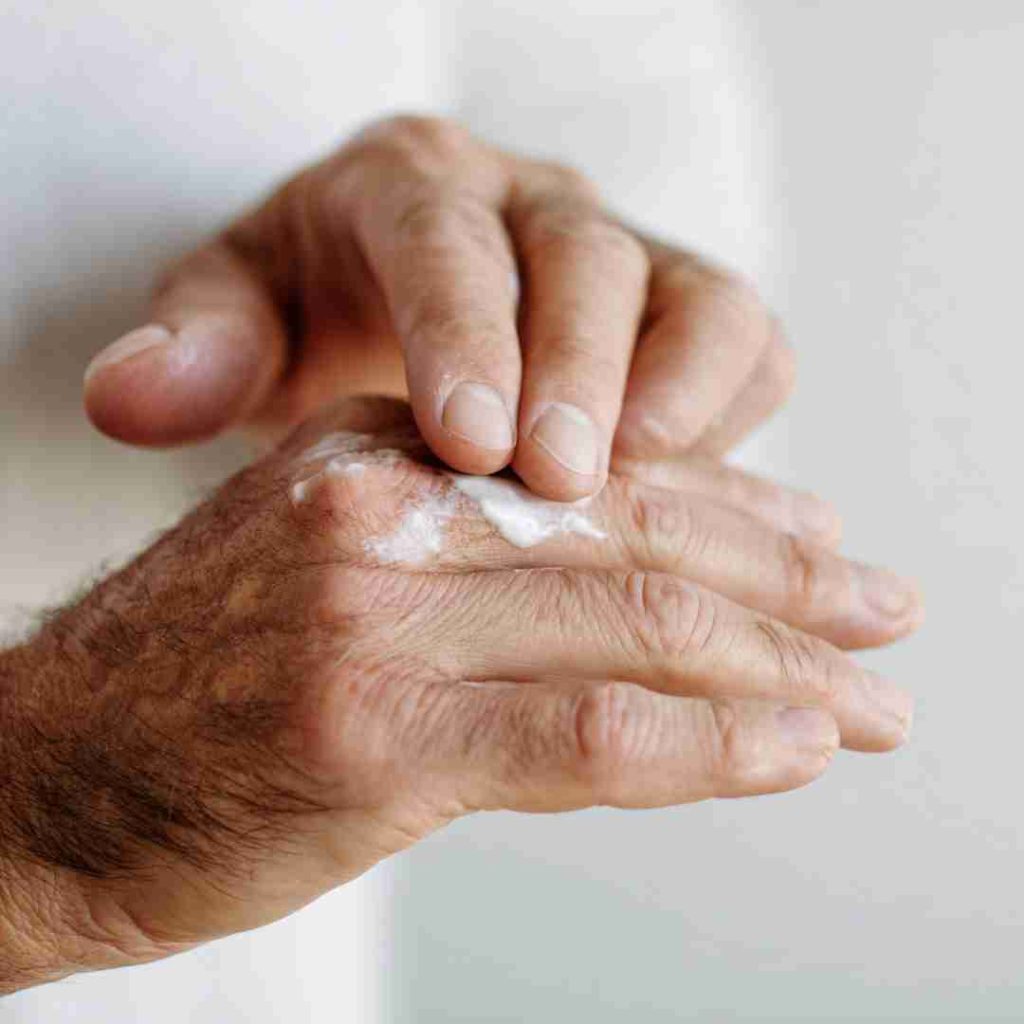
Dry skin becomes more common as we age due to the natural thinning of the skin and it can be especially common at every age in the winter. Skin that may look and feel rough, itchy, flaky or scaly can also become more prone to infection, and a dry throat may make you more susceptible to colds and flu. Because preventing dryness is easier than treating it, follow these tips to help keep your skin feeling smooth, soft, and comfortable:
- Use a humidifier during the winter, or place bowls of water near heating vents to add moisture to the air.
- Take short, lukewarm showers or baths—hot water strips away natural oils.
- Choose soaps that contain moisturizers.
- Wear gloves when washing dishes or cleaning to protect your hands.
- Apply moisturizer frequently throughout the day; keep jars or bottles in several rooms for convenience.
- Use lip balm to prevent dry, chapped lips.
- Drink plenty of fluids, especially water—to stay hydrated without added calories or caffeine.
- See a doctor if you have open sores or infections from scratching.

Safety Tips- Medications and Falls
As we age, our bodies process medications differently. A prescription or over-the counter medication that worked well in the past could start causing side effects now or in the future. Taking five or more medications further increases the chances of side effects. Medication categories that can increase the risk of falls are opioid or narcotic pain medications; anti-anxiety medications; muscle-relaxing medications; medications for bladder control and high blood pressure/ heart medications.
Certain eye and ear disorders may increase your risk of falls. Discuss your health conditions and how comfortable you are when you walk — such as, do you feel any dizziness, joint pain, shortness of breath, or numbness in your feet and legs when you walk? Your health care provider may evaluate your muscle strength, balance and walking style (gait) as well.
Source: CDC – Medications can be linked to injuries as we age; Mayo Clinic