

Incontinence – Bladder Control Problems

Incontinence is the loss of control over urine or bowel movements. It is common in older adults and people with certain health problems. While incontinence can be difficult and embarrassing, there are many ways to manage it. With patience, understanding, and the right care, people with incontinence can stay comfortable and maintain their dignity.
What is Incontinence?
Incontinence happens when a person cannot control when they urinate or have a bowel movement. This can be caused by weak muscles, illness, injury, or aging. Some doctors may not ask about bladder or bowel problems during visits, so it is important to speak up if this is a concern.
Treatment depends on the cause and severity of the problem. Options may include medicines, bladder training, pelvic floor exercises (called Kegel exercises), biofeedback, electrical muscle stimulators, surgery, catheters, or external collection devices. Maintaining a healthy weight in the abdominal area can help reduce pressure on the bladder and can improve bladder health. Talk with the doctor about which options are best for the person in your care. If a primary doctor cannot help, a specialist such as a urologist may be needed.
Managing Urinary Incontinence
Daily routines can help reduce accidents and discomfort. Certain foods and drinks can irritate the bladder and increase the need to urinate. Try to limit alcohol, coffee, spicy foods, and citrus fruits.
Give fluids at regular times during the day. This helps keep urine diluted, which reduces bladder irritation. Do not reduce fluids unless a doctor says to do so.
Encourage the person to use the bathroom on a schedule—about every 2 to 3 hours. Using a timer or alarm can help. Clothing should be easy to remove so the person can use the toilet quickly. Keep a bedpan or portable commode nearby, especially for people with limited movement or during the night.
Absorbent products such as adult briefs or pads can help prevent accidents. Be sure to keep the skin clean and dry. Urine on the skin can cause rashes, pressure sores, and infections. Gentle cleaning and regular checks help protect the skin.
Most important, stay calm and supportive. Incontinence can affect a person’s self-esteem. Kind words and patience help the person feel respected and safe.
Catheters
A Foley urinary catheter is a device made from rubber or plastic that drains urine from the body. It is inserted by a nurse through the urethra (a tube that connects the bladder to the out-side of the body) into the bladder (an organ that collects urine). A Foley catheter greatly increases the risk of infection. It is chosen as a last resort to manage incontinence.
Disposal of Body Fluids
- Wear gloves (recommended for handling all body fluids).
- Flush liquid and solid waste down the toilet.
- Place used dressings and disposable (throwaway) pads in a sturdy plastic bag, tie securely, and place in a sealed container for collection.
- If urine is highly concentrated due to a bladder infection or dehydration, do not use bleach to clean urine (or areas contaminated with urine). The combination of ammonia in the urine and bleach can cause toxic fumes which are dangerous to inhale, so instead of bleach, use soap and water, vinegar, hydrogen peroxide, or enzyme-based cleaners instead.
Urinary Tract Infection
A urinary tract infection (UTI) may be present if the person has any of the following signs or symptoms:
- Blood in the urine or foul-smelling urine
- A burning feeling when voiding
- Cloudy urine with sediment (matter that settles to the bottom)
- Pain in the lower abdomen or lower back
- Fever and chills
- A frequent, strong urge to void or frequent voiding
Using a Commode

If the mobile person is missing the toilet, get a toilet seat in a color that is different from the color of the floor. This may help him see the toilet better. If he is failing to cleanse the anal area, or failing to wash his hands, use tact to encourage him to do so. This will help prevent the spread of infections.
A portable commode is helpful for a person with limited mobility. The portable commode (with the pail removed) can be used over the toilet seat.
Memory Care – Alzheimer’s Progression
A doctor will know if there is a physical cause for incontinence, rather than the progression of Alzheimer’s. A toileting schedule and reading the signals when the person needs to go to the toilet may help the person to continue to use the toilet for a longer time. However, you will probably need to use protection for the bed, since the person may sleep through the urge to go.
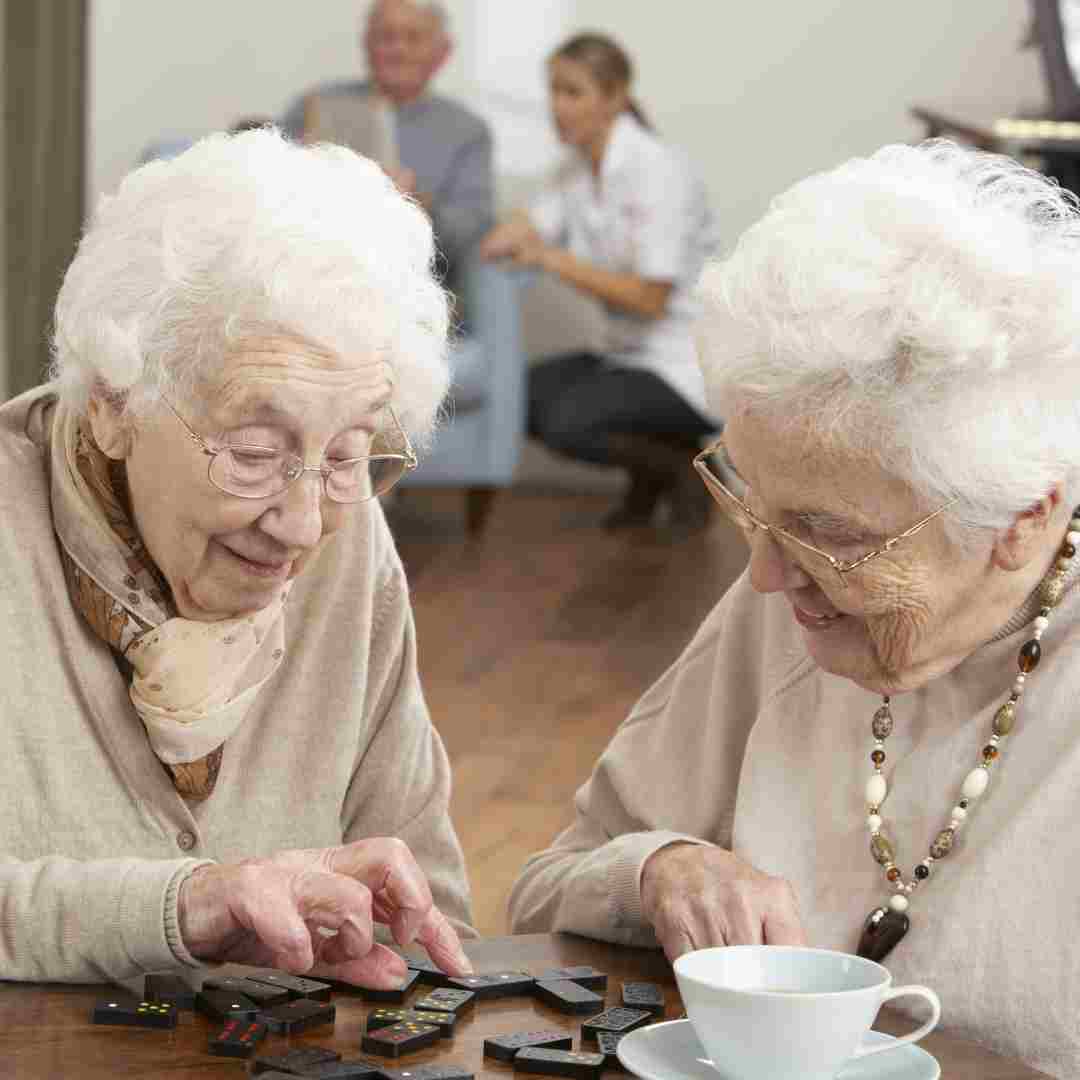
Taking Care of Yourself- Why Staying Social Matters
Spending time with others is important for good health. Research shows that people who often feel lonely or stay socially isolated have a higher risk of illness and early death. Being social helps people feel happier, healthier, and less stressed.
Friends and family can encourage healthy habits and provide emotional support during hard times. Social activities can lower stress, reduce depression, and improve heart and immune health. People with friends often live longer than those who are alone.
Try to stay connected through visits, phone calls, or group activities. Social time is just as important as physical exercise for overall health.

Safety Tips- Nighttime Bathroom Trips
Getting up at night to use the bathroom is common. About one-third of adults over age 30 and nearly half of adults over 65 wake up to urinate. This is called nocturia. It is usually not a medical problem unless it happens more than two times a night or makes it hard to fall back asleep.
Nocturia can occur because the body makes more urine at night or because the bladder cannot hold as much as it used to. Aging plays a role, but health problems such as diabetes, heart disease, sleep apnea, infections, or prostate issues can also cause nighttime urination.
Talk to a doctor if nighttime bathroom trips are new, worsening, or causing sleep problems, bedwetting, or falls. To help reduce trips, avoid caffeine, alcohol, and large drinks in the evening. Use night lights, keep pathways clear, and try leg elevation or pelvic floor exercises when advised.
Source: Is Waking Up to Pee Normal? – The New York Times; 11/4/25