

Emergencies

Natural disasters are becoming more common than ever. They include hurricanes, tornadoes, floods, landslides, droughts, wildfires, heatwaves, blizzards, and ice storms. Don’t avoid emergency preparation just because the list feels overwhelming. Start with the most important supplies for your home and personal needs, then gradually add more until you are well prepared.
Recovering from an emergency or a natural disaster often depends on the planning and preparation done today.
In addition to the standard supplies of food, water and first aid kits, consider these additional precautions:
- Create a network of neighbors, relatives, friends and co-workers. Discuss your needs and make sure everyone knows how to operate necessary equipment.
- List the type and model numbers of medical devices, like oxygen tanks and wheelchairs.
- Note medications that require refrigeration and have a cooler chest ready.
- If the person in your care is in a wheelchair or has mobility problems, plan how they will evacuate. Have a manual wheelchair as a backup for a motorized one.
- Be prepared to bring your own durable medical equipment to an evacuation shelter. Most don’t have them.
- For blind or visually impaired people, keep an extra cane by the bed and attach a whistle to it.
- For hearing impaired, store hearing aids in a container attached to the nightstand or bedpost, so they can be located quickly.
- Have ID information for the person as well as copies of emergency documents, evacuation plans and emergency health information card.
- Ask your doctor about stocking up on a week’s supply of all prescription medication.
- Make sure everyone knows where the first-aid kit and emergency supplies are located.
- Make a communication plan so if you are separated from your family, you will know how to contact one another.
- Designate a backup provider in case you can’t reach the person in your care.
Source: CDC; FEMA
Family Communication Tips
Staying in touch with family and friends during an emergency is important. Name an out-of-state friend or relative as the contact person that everyone gets in touch with. Someone outside of the area of the emergency, power outage, or natural disaster will be better able to keep everyone informed as each person “checks in.” Be sure all family members know the phone number. Program the contact person’s phone number into each person’s cell phone speed dial list. Tell your family and friends that you’ve listed them as emergency contacts.
- Text messages can often get around network disruptions when a phone call might not be able to get through.
- Community alert systems will text or e-mail to let you know about weather and emergency.
- conditions.
- To receive alerts check your phone’s Settings – Notifications – Emergency Alerts / Public Safety Messages and make sure they’re enabled.
- Register the person in your care with emergency response providers so they can be located during disasters. Visit, http://www.ready.gov/make-a-plan
Create an Emergency Supply Kit
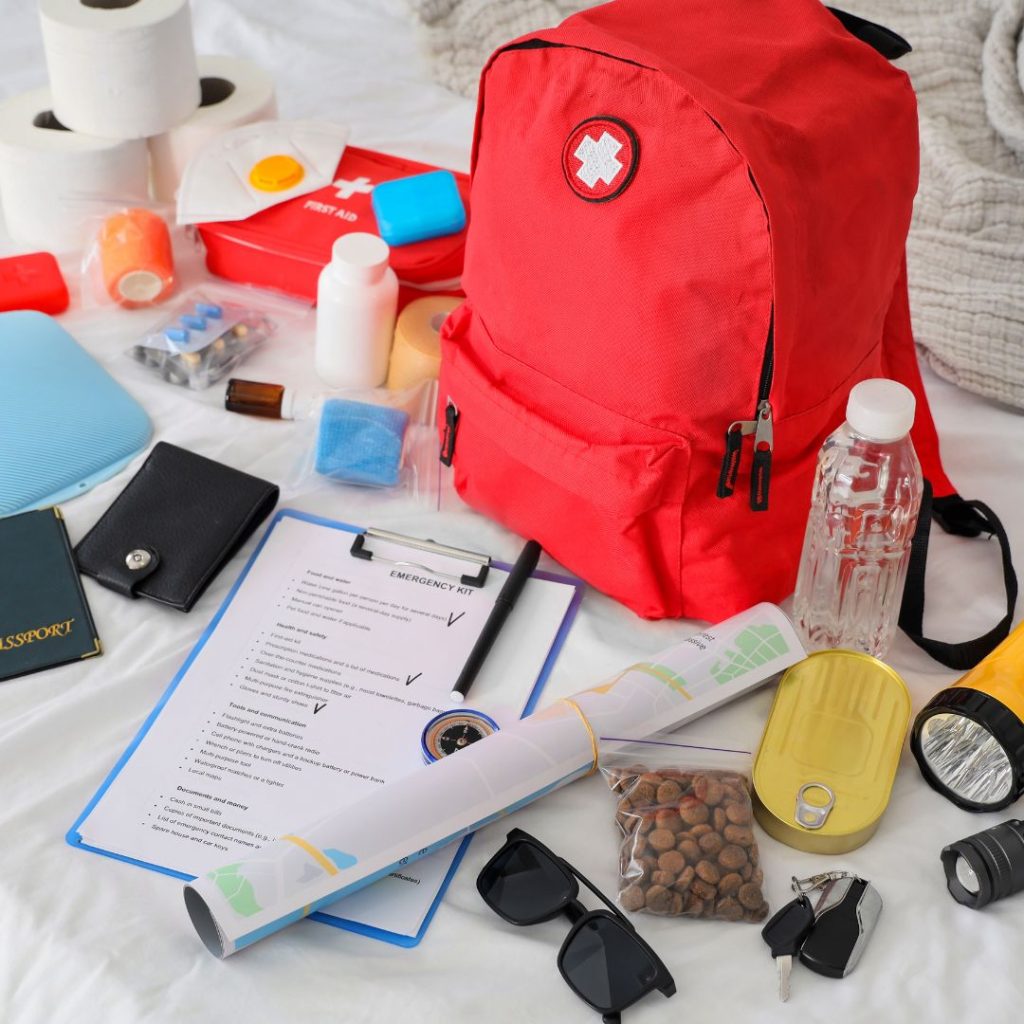
An emergency supply kit should contain everything you and the person in your care will need for three days. Make two kits. In one kit put everything you will need to stay where you are and make it on your own for a period of time. The other kit should be a lightweight, smaller version you can take with you. Besides food and water and basic emergency first aid kit, supplies should include:
- Battery-powered or hand crank radio and a NOAA Weather Radio with tone alert and extra batteries for both; local maps
- Flashlight and extra batteries and a whistle to signal for help
- Dust mask to help filter contaminated air and plastic sheeting and duct tape to shelter-in-place
- Moist towelettes, garbage bags and plastic ties for personal sanitation
- Wrench or pliers to turn off utilities
- Pet food, extra water and supplies for your pet or service animal
- Specialized items, like extra wheelchair batteries, hearing aid batteries, oxygen, catheters, medications
For more information, view Ready.gov video called “Preparing Makes Sense for Older Americans” or visit the Red Cross website.
Alzheimer’s Behavior During a Crisis
During a crisis, people with Alzheimer’s disease may become physically aggressive. They may throw objects, hit, kick, bite, or pinch caregivers or others nearby. These behaviors often signal unmet needs, fear, or distress caused by changes in routine. Aggression may be the person’s response to brain changes or to situations they do not understand and perceive as threatening, such as unfamiliar people, sudden movements, or attempts to take something away.
When the person appears upset or uses threatening language, caregivers may feel frightened or tempted to react defensively. Instead, remain calm, speak in a reassuring tone, and try to redirect or distract them. In most cases, the person will calm down within minutes if you avoid confrontation and provide reassurance.

Taking Care of Yourself- Some Pains You Shouldn’t Ignore
It is important to pay attention to pain. Some of these pains need immediate attention:
- Worst Headache of Your Life. Although a cold or sinus infection could be the problem, you could have a brain hemorrhage or brain tumor. Do not wait; go to the emergency room.
- Pain or Discomfort in the Chest, Throat, Jaw, Shoulder, Arm, or Abdomen. This could signal a heart attack or pneumonia.
- Pain in Lower Back or Between Shoulder Blades. It could also be caused by high blood pressure, circulation problems, smoking or diabetes.
- Severe Stomach Pain. Appendicitis, gallbladder and pancreas problems, stomach ulcers, and intestinal blockages are possible causes that need immediate attention.
- Calf Pain. This can be a sign of deep vein thrombosis (DVT), a blood clot in the leg’s deep veins. Without fast treatment, the clot could break loose and travel to the lungs, which could be fatal. If you have unusual swelling and pain in your calf muscles, see a doctor immediately.
- Burning Feet or Legs. This is a common sign of diabetes.
Source: WebMD
Memory Care- Instructions
In an emergency, Alzheimer or dementia patients can sense when something is wrong. Remain calm, explain what is happening simply, and give clear directions.
Safety Tips- Before and Electrical Blackout
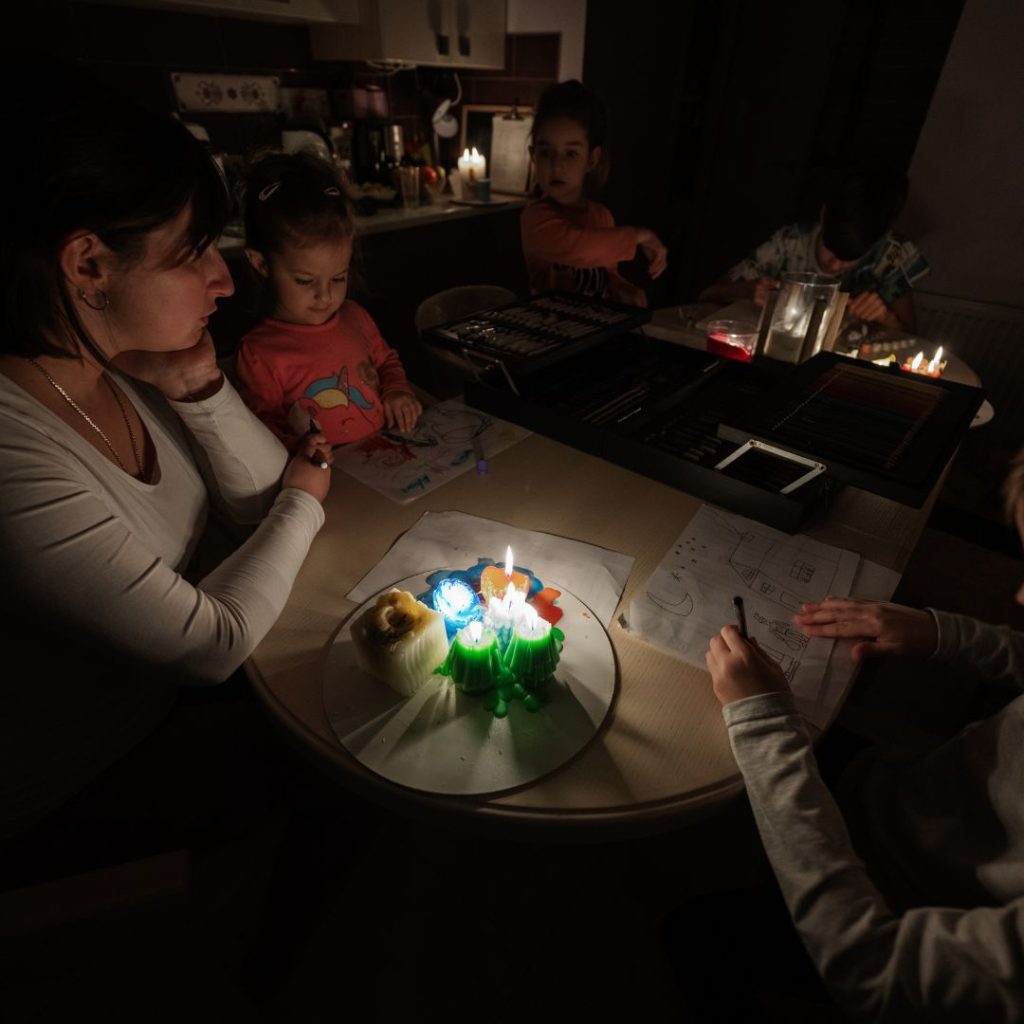
Losing electrical power often means losing more than lights: refrigeration, water supplies, and cell phones all depend on a power supply. If you are warned of a coming blackout:
- Keep electricity use as low as possible to help power companies avoid rolling blackouts.
- Freeze water in plastic containers leaving an inch of space in each one because water expands as it freezes. This ice will help keep food cold during a power outage.
- Most medication that needs refrigeration can be kept in a closed refrigerator for several hours without a problem. If unsure, check with your physician or pharmacist.
- Keep your vehicle’s gas tank at least half full because gas stations rely on electricity to power their pumps.
Know where the manual release lever of the electric garage door opener is located and how to operate it. Garage doors are heavy, so you may need help to lift it. Always keep the garage door key with you. Source: www.Ready.gov