
Storms- How to Prepare Food & Water
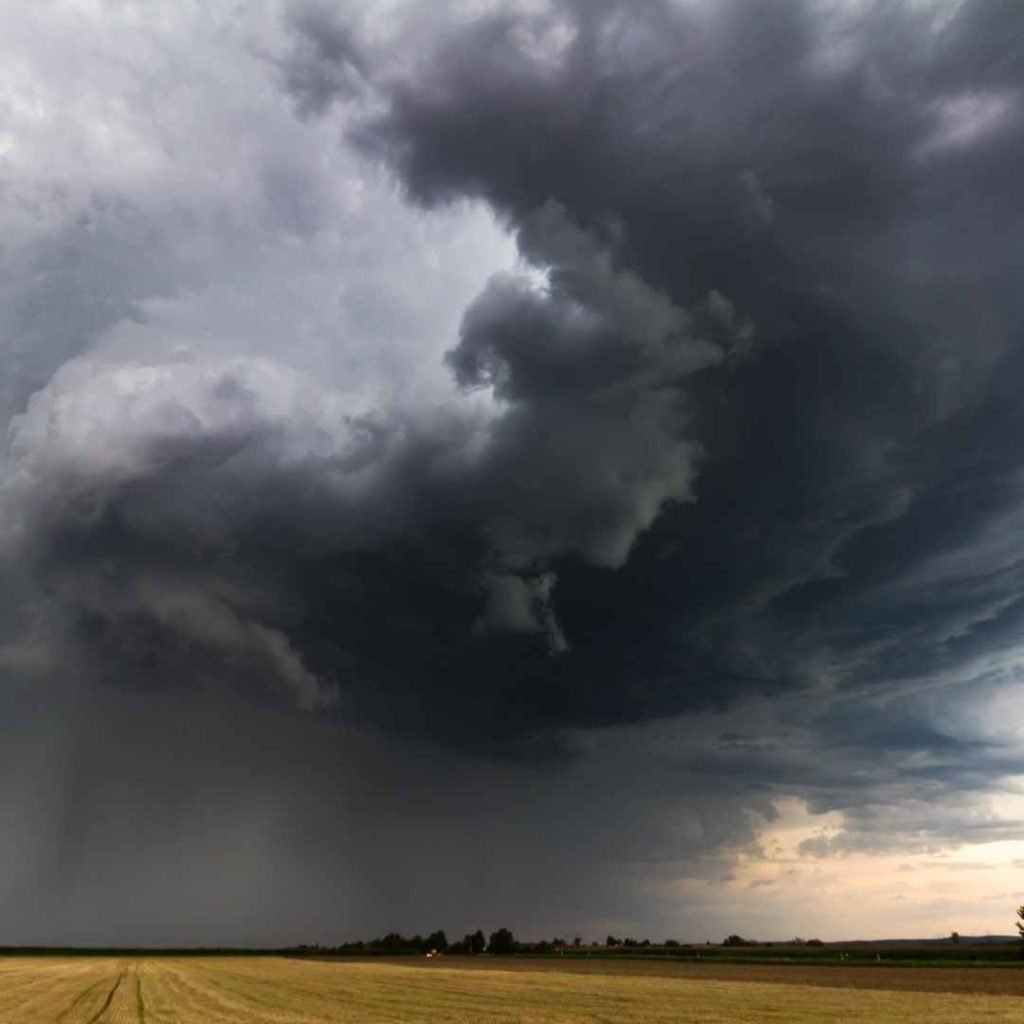
Summer storms can pose significant risks to safety, power supply, food and water security. Whether it’s hurricanes, tornadoes, or thunderstorms, these extreme weather events can disrupt normal life, so preparing in advance can help ensure that you and the person in your care remain safe, comfortable, and nourished
Food
Having non-perishable, easy-to-prepare foods on hand ensures that you and the person in your care can maintain nutrition even if you lose power or access to fresh groceries. Eat perishable foods first. Keep the refrigerator and freezer doors closed as much as possible. Use a cooler with ice packs to store essentials if power is out.
Throw out food that may have come in contact with floodwater, such as food in packages that are not waterproof, in cardboard containers, including juice/milk/baby formula boxes. Discard home-canned foods and canned foods or food containers that are bulging, open, or damaged. Throw out cans or food containers that spurt liquid or foam when you open them or contain food that is discolored, moldy, or smells bad. When in doubt, throw it out—if perishable food has been above 40°F for over two hours, or at 90°F for one hour, it’s no longer safe.
Cooking Without Power
• Gas stove or outdoor grill: Ensure you have propane or charcoal.
• Camping stove or Sterno fuel: Great for small meals.
• Fireplace or fire pit: Can be used for cooking in an emergency.
• Solar cookers: For warming food when the sun is out.
Meal Ideas
– Peanut Butter & Banana Wraps – Spread peanut butter and a banana on a tortilla.
– Canned Tuna, Sardines or Chicken Wraps – Mix canned tuna or meat with mustard or mayo packets and spread on crackers or tortillas.
– Shelf-Stable Hummus & Crackers – A healthy and filling option.
– Canned Beans – Can be eaten cold or warmed.
– Powdered Milk & Cereals – Refrigerate when water is added.
– Oatmeal with Dried Fruit – Just add warm water.
– Canned Soup or Chili – Heat over a portable stove.
– Instant Noodles – Let them soak in hot water.
– Meal Replacement Shakes – Quick balanced nutrition.
Water
To ensure you have enough water:
• Store at least one gallon of water per person per day for at least three days. If possible, store a two-week supply for added security.
• Fill bathtubs and sinks with water before the storm arrives.
• Freeze large containers of water to keep food cold longer and provide drinking water as they thaw.
• Collect rainwater (if safe) for non-drinking uses.
• For water purification, keep a supply of water purification tablets. Boil water if advised by authorities.
Note – As a person ages, he or she feels less thirsty, so a special effort should be made to provide fluids to prevent dehydration. A person’s fluid balance can be affected by medication and emotional stress.
Storm Readiness – Take Protective Measures
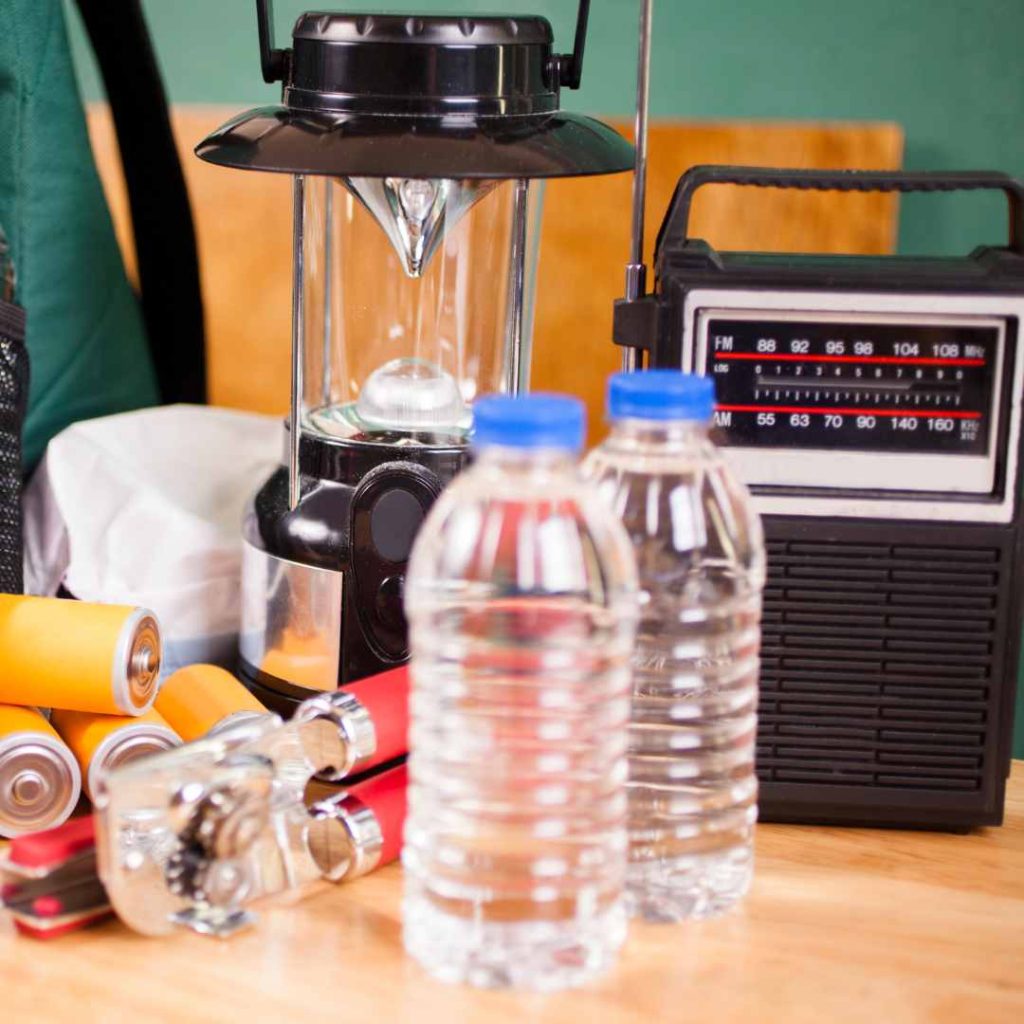 Create a network of neighbors, relatives, friends and co-workers. Make sure everyone knows how to operate necessary medical equipment.
• List the type and model numbers of medical devices.
• Note medications that require refrigeration and have an ice chest box and frozen ice packs ready.
• If the person in your care is in a wheelchair or has mobility problems, plan for how they will evacuate.
• Be prepared to bring your own durable medical equipment to an evacuation shelter.
• For the visually impaired persons, keep an extra cane by the bed and attach a whistle to it.
• For hearing impaired, store hearing aids in a container attached to the nightstand or bedpost, so they can be located quickly.
• Have ID information for the person as well as copies of emergency documents, evacuation plans and emergency health information card.
• Ask your doctor about stocking up on a week’s supply of all prescription medication, or the amount recommended by the doctor.
• Make sure everyone knows where the first-aid kit and emergency supplies are located.
Source: CDC; FEMA
Memory Care- New Places
Adults with dementia have very specific needs during a disaster. Leaving the home environment to stay in a shelter or new place is disorienting and can be a challenge for the person living with dementia. The caregiver also needs to adapt to a new unexpected setting, while still trying to meet the person’s disrupted healthcare needs.
Taking Care of Yourself- Too Much Worry
Are you unable to relax, can’t sleep, and worry so much you sometimes feel paralyzed by real or imagined fears? You may suffer from excessive anxiety which could develop into physical symptoms, including headaches, fatigue, heart palpitations and even trembling. Meditation or other relaxation training, exercise, AND limiting caffeine and alcohol intake may help relieve free-floating anxiety. If your symptoms continue, seek professional help.
Safety Tips – Sanitize Flooded Food-Contact Surfaces
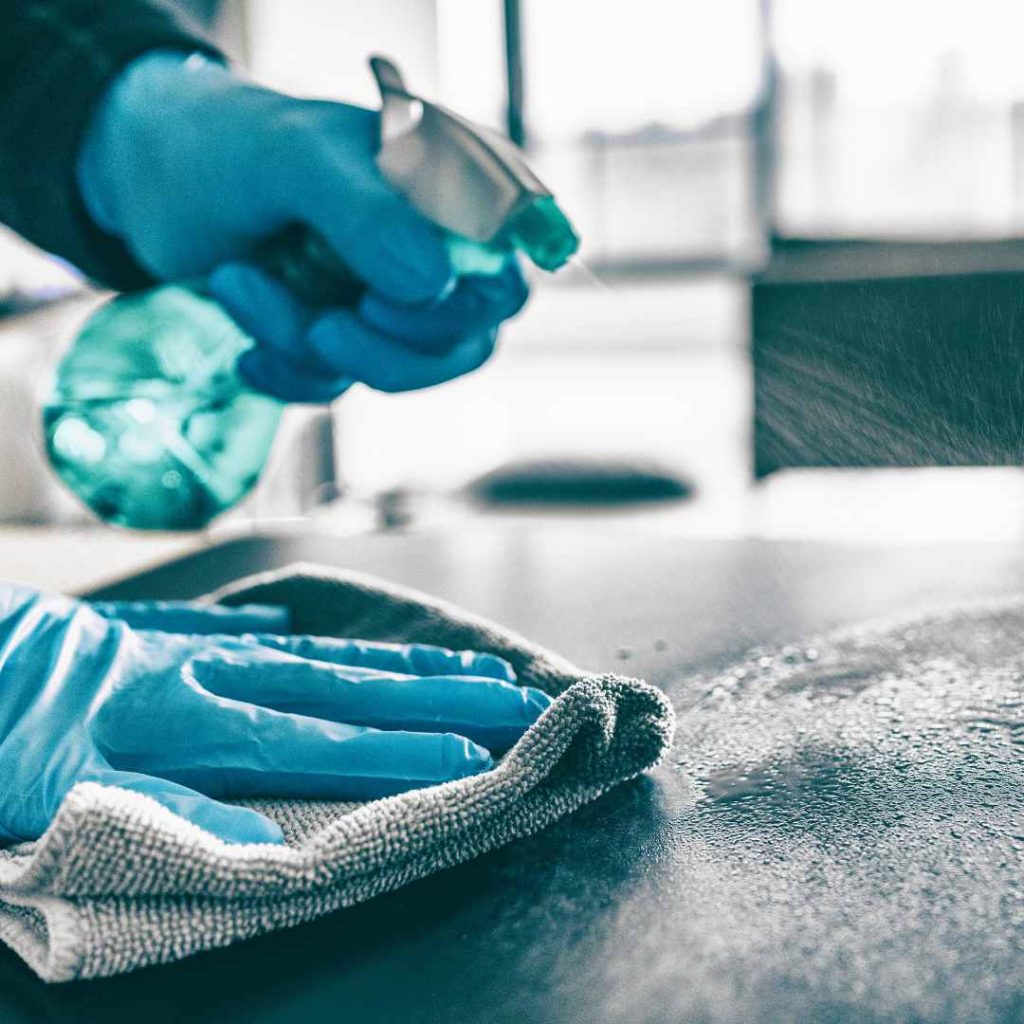
Throw out wooden cutting boards, baby bottle nipples, and pacifiers if they have come into contact with floodwaters because sanitizing methods are not effective for removing contaminates in floodwater from these items. Clean and sanitize dishes, utensils, and other surfaces that touch food (like refrigerator drawers or kitchen countertops).
Wash with hot, soapy water. Rinse with clean, safe water.
Sanitize: Make a solution of 1 cup (8 oz/240 ml) of unscented household chlorine bleach in 5 gallons of clean water. Soak items for 1 minute in the bleach solution (solution should completely cover the items). For items that you can’t put in the solution (like countertops), apply solution with a cloth.
Allow to air dry.
Source: Keep Food Safe After a Disaster or Emergency | Food Safety | CDC
Community Resource Fair
 Hosted by GoPacks
Sunday, August 24
1:00pm-3:00pm
Lafayette Hotel
101 Front Street, Marietta, Ohio
Vendors will be set up providing information about services for all ages! All counties welcome.
FREE farmers market set up inside where participants can go home with a fresh bag of produce!