

Diabetes- An Ounce of Prevention

Diabetes can affect many parts of the body, and can lead to serious problems such as heart disease, blindness, kidney damage, and lower-limb amputations. People with diabetes can reduce these risks with the help of their doctors, families, and caregivers. This means controlling the levels of blood glucose (often called “blood sugar”), blood pressure, and blood lipids (cholesterol), and receiving regular preventive care.
Older people with poor control of blood sugar levels often have problems with thinking, depression, and other disabilities. If you are caring for an older person who has diabetes, be sure they see the doctor on a regular basis to be evaluated. Good diabetes care can help reduce the risk of complications.
Blood Sugar – Diabetes is a disease in which the body does not produce or properly use insulin, a hormone that is needed to convert sugar, starches and other food into energy. In order to keep the amount of blood sugar in the blood from becoming too high, most people with diabetes take supplemental insulin in pill form or by injection. Caregivers are often responsible for blood sugar testing.
Insulin Shock – Blood sugar levels can also become too low from giving too much insulin or from poor diet, resulting in a serious condition called insulin shock or hypoglycemia. Signs include: shaking, nervousness, feeling faint, or even passing out. Call 911 immediately if the person faints and is unresponsive.
Blood Pressure and Cholesterol – People with diabetes are more likely to have a heart attack or stroke. Lowering blood pressure and cholesterol through better diet and medication can help limit this risk. Lowering blood pressure also reduces stress on the kidneys.
Weight Control and Exercise – Eating regular, balanced meals that include carefully measured portions can help keep diabetes under control. Caregivers should limit the amount of candy, cookies, and other desserts given to someone with diabetes. Always read food labels for hidden sugars in unexpected places such as crackers, bread crumbs, and ketchup. Sometimes, simple measures such as watching the diet, losing weight, and increasing exercise can bring diabetes under control.
Sources: American Diabetes Association; National Institute of Diabetes and Digestive and Kidney Diseases: National Institutes of Health
Eye Care
People with diabetes should see the eye doctor regularly. Laser therapy can reduce the possibility of severe vision loss caused by diabetes.
Signs of Diabetes
See the doctor if you or someone in your care has any of the symptoms of diabetes:
- feeling very thirsty
- urinating often
- feeling very hungry or tired
- losing weight without dieting
- sores that heal slowly
- dry, itchy skin
- pain or loss of feeling in the feet
- tingling in the feet
- blurry vision
Some people with diabetes have NO symptoms until they find out from a routine blood test.
Taking Care of Feet
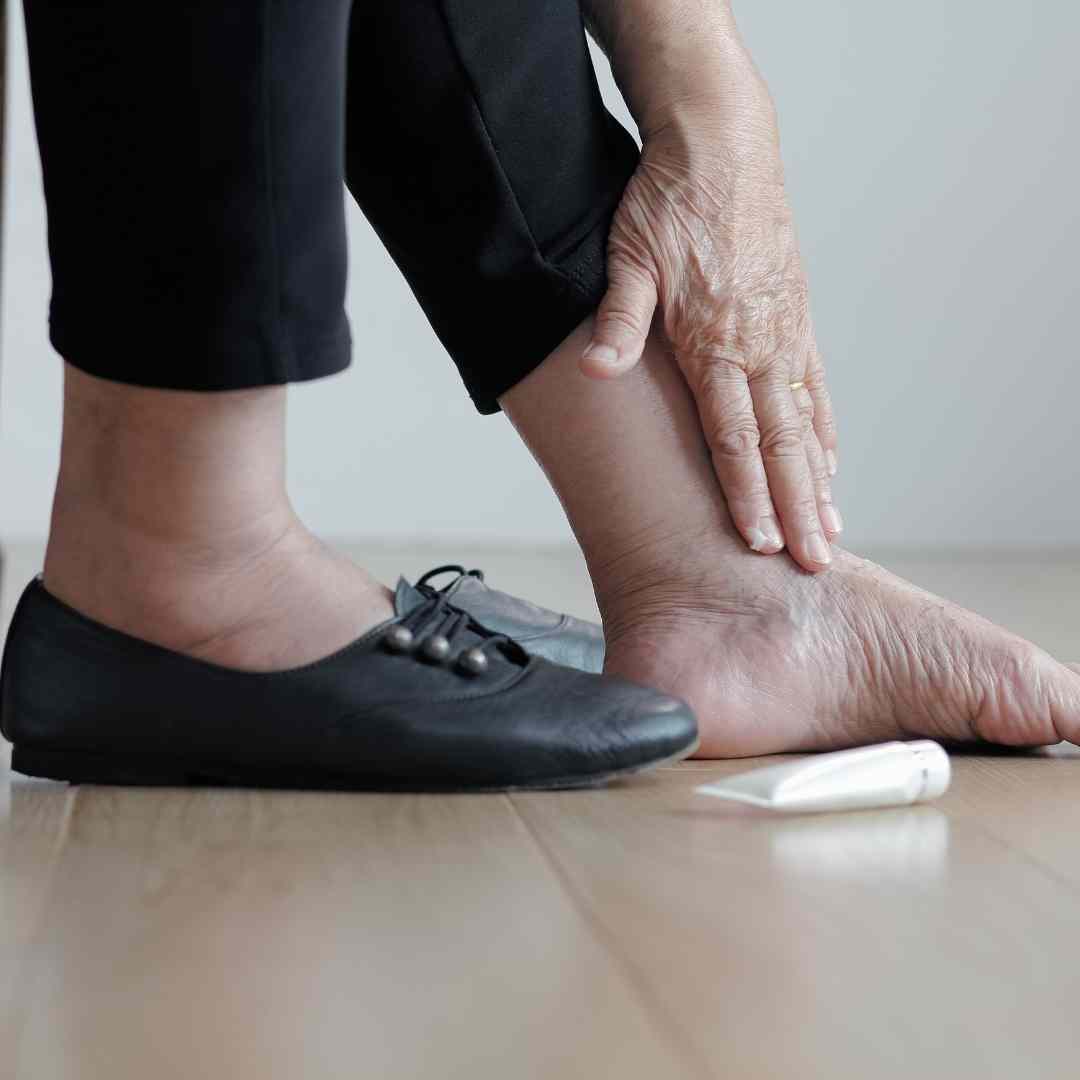 People with diabetes may lose the feeling in their feet because the nerves are damaged. This is why the feet need to be checked every day. Without nerves to warn the brain of injury, the tissue can break down, leading to possibly severe infections and the need for amputation. Taking good care of the feet can reduce amputation rates by 45 to 85 percent.
Things to look for:
- cuts or breaks in the skin
- swelling or blisters
- ingrown toenails
- changes in color or shape
- difference in feeling—less sensitive or hurt more
- corns or calluses. A foot specialist (podiatrist) can trim corns, calluses, and toenails
To protect the feet:
- keep blood sugar at healthy levels
- daily foot checks
- exercise helps keep the blood flowing to the feet—person with diabetes should put up their feet when sitting, wiggle their toes and move their ankles for five minutes, two or three times a day, and keep their legs uncrossed
- ask the doctor about Medicare coverage for special shoes
- wash the feet daily and use skin lotion, but not between the toes
- keep toenails trimmed
- always wear shoes and socks
- smoking constricts blood vessels—so encourage the person in your care to quit smoking
- don’t put the feet into water without first checking the temperature with your hand
Memory Care – Diabetes & Dementia
Resistance to care: A person may refuse finger sticks, insulin injections, or even meals. Using calm, reassuring approaches and breaking tasks into small steps can help.
Routine and structure: Regular sleep, meals, and activities help reduce agitation from dementia and make diabetes care more predictable.

Taking Care of Yourself- Managing Anger
Caregivers can easily become stressed, and the natural response to stress is anger. But expressing your anger or frustration to the person in your care never helps. Find positive ways to express yourself:
- Vent your feelings in a caregiver support group. The people in the group will understand how you feel and they will help you find practical solutions.
- See a therapist, family counselor, or clergy.
- Write your feelings in a journal.
- Remember that a chronic illness can change personality and behavior, and the person who makes you angry may not be able to help themselves.
- Positive communication is the key to lowering stress in relationships.

Safety Tips- Meal Planning for Diabetes
A balanced meal plan is one of the most powerful tools for managing diabetes. The goal is to keep blood sugar levels steady, while supporting heart and overall health. A good plan includes plenty of non-starchy vegetables, lean proteins, whole grains, and healthy fats. Meals should be spread throughout the day to avoid spikes or drops in blood sugar.
The “plate method” is a simple guide: fill half the plate with vegetables, one quarter with lean protein, and one quarter with whole grains or starchy foods. Add a small serving of fruit or low-fat dairy if desired. Reading food labels helps spot hidden sugars in sauces, breads, and snacks.
Consistency is key—regular meal times and portion control help keep blood sugar predictable. With planning, eating well becomes a sustainable habit that supports energy and long-term health.