

Fire Safety-Smoke
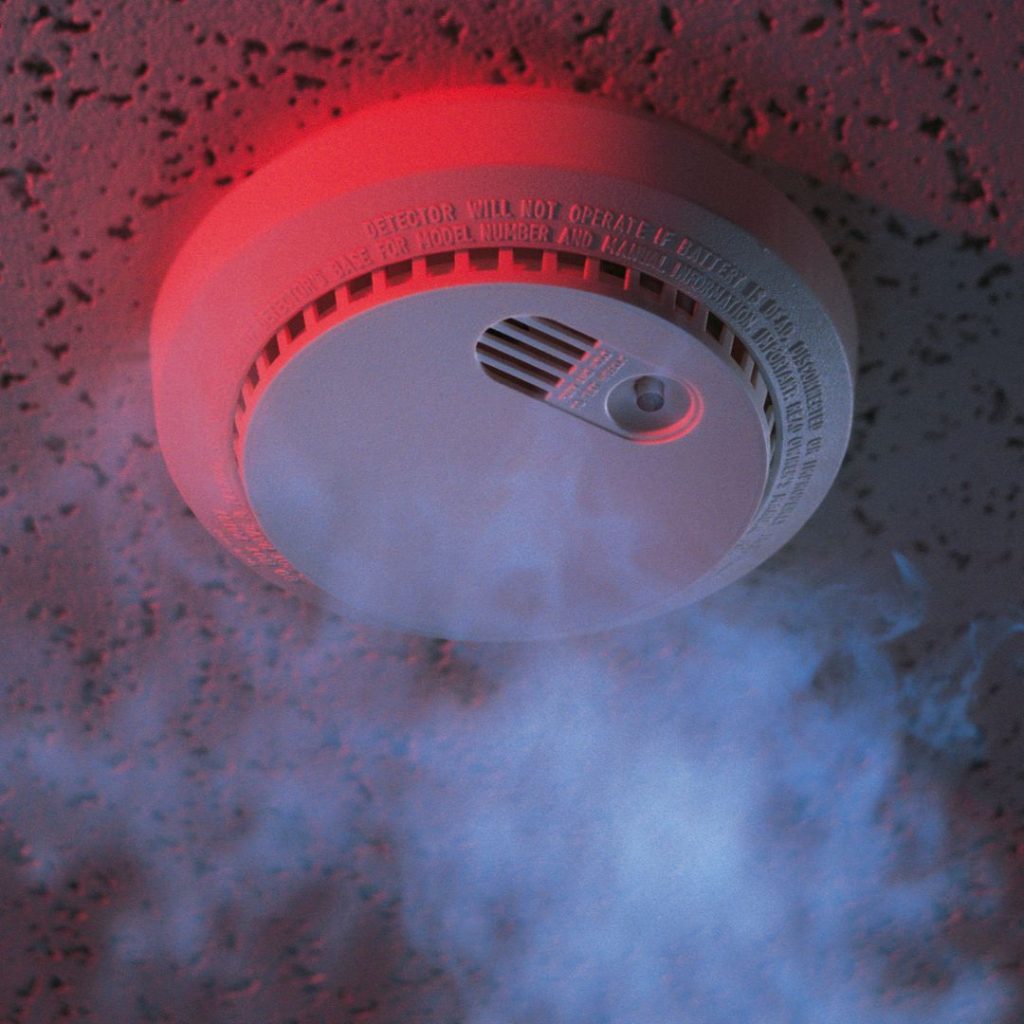
Wildfires have long been a threat to communities. While fires themselves cause destruction, loss of life, and displacement, an even greater and often underestimated danger comes from the smoke they produce. Wildfire smoke is a major contributor to air pollution, worsening respiratory, cardiovascular, and other health issues. As fires become more common, so does exposure to hazardous air.
The Hidden Killer in the Air
Wildfire smoke is a complex mix of harmful pollutants. These pollutants are especially dangerous because they penetrate deep into the lungs and bloodstream, causing a range of health issues. Studies indicate that wildfire smoke already causes approximately 16,000 premature deaths annually in the U.S.
Many deaths linked to these events may not be directly recorded as fire-related. People with preexisting conditions such as asthma, chronic obstructive pulmonary disease (COPD), and heart disease are particularly vulnerable. Children and the elderly are also at heightened risk due to their developing and aging immune systems. Even those without preexisting health conditions can suffer from respiratory distress, headaches, and fatigue from prolonged exposure to wildfire smoke.
The effects of wildfire smoke are not limited to short-term health issues. Prolonged exposure has been linked to long-term damage, including chronic respiratory conditions, weakened immune responses, and increased susceptibility to infections. The situation is further worsened by the fact that wildfire season is no longer confined to a specific time of year. Wildfires are more frequent, leading to continuous exposure in many regions.
One major concern is that as wildfires burn not only forests, but also urban areas, they produce an even more toxic mix of pollutants. When homes, furniture, vehicles, and industrial materials burn, they release dangerous chemicals. This combination of toxic materials can settle on household surfaces and linger for months. Even after the flames have died down, residual smoke and ash inside homes can pose ongoing health risks, especially for children who come into close contact with these surfaces. Visit AirNow.gov which highlights air quality in your local area.
Preventative Measures
Experts recommend the following measures to reduce smoke exposure and protect you and the person in your care. Caring for a person with dementia or Alzheimer’s during smoky wildfires requires extra precautions to ensure their safety and well-being. If the person has heart or lung disease, check with the doctor for what you should do in smoke events.
- Reduce Smoke Exposure
– Stay Indoors: Keep the person inside as much as possible with windows and doors closed.
– Use Air Filtration: Use HEPA air purifiers or HVAC systems with clean filters to reduce indoor air pollution. Have a supply of N95 masks.
– Seal Gaps: Use towels or tape to seal gaps around windows and doors to keep smoke out.
– Create a Clean Room: Designate a room with an air purifier and minimal outdoor air exposure. - Monitor Health Closely
– Watch for Symptoms: Smoke exposure can cause confusion, coughing, difficulty breathing, headaches, or eye irritation.
– Hydration: Offer water to prevent dehydration, which worsens confusion.
– Medications: Ensure they take their prescribed medications on time.
– Respiratory Issues: If they have asthma or COPD, have their inhalers or oxygen ready. - Keep a Calm Environment
– Reduce Stress: Wildfires and poor air quality can be distressing. Maintain a calm, familiar routine to minimize anxiety.
– Limit News Exposure: Constant updates can cause agitation; provide reassurance instead. - Prepare for Evacuation
– Have a Go-Bag: Pack essentials like medications, medical records, ID, water, snacks, comfort items, a change of clothes and incontinence products.
– Prepare Medical Alerts: If the person wanders, ensure they have a medical ID or GPS tracker.
– Know the Evacuation Plan: Have transportation ready and know where nearby shelters are that accommodate dementia patients.
– Caregiver Contacts: Keep emergency contact numbers easily accessible. - Seek Help If Needed
– Call for Medical Help: If the person has trouble breathing or shows signs of serious confusion, contact emergency services.
– Community Resources: Local health agencies or Alzheimer’s associations may have support services during emergencies.
Memory Care- Hurrying
A person cannot hurry with Alzheimer’s. Any pressure to hurry up usually results only in upset. Just try to keep focus on getting ready to leave
Taking Care of Yourself- Coping with More Frequent Chuckles
Hospitals and therapists are using laughter to improve people’s health and well-being. A sense of humor is a coping skill. In relationships, a good joke or laugh can improve a tense moment. When someone is sick, making him laugh or smile is therapeutic and brings joy. Some of the benefits of laughter include:
– Lower blood pressure and reduced stress
– Better immune function
– Released endorphins, creating a feeling of well-being
– Increased use of oxygen and exercise for the diaphragm
Humor and laughter can foster a positive and hopeful attitude.We are less likely to succumb to feelings of depression and helplessness if we are able to laugh at what is troubling us. Humor gives us a sense of perspective on our problems.
Safety Tips – Fire- The Deadliest Threat
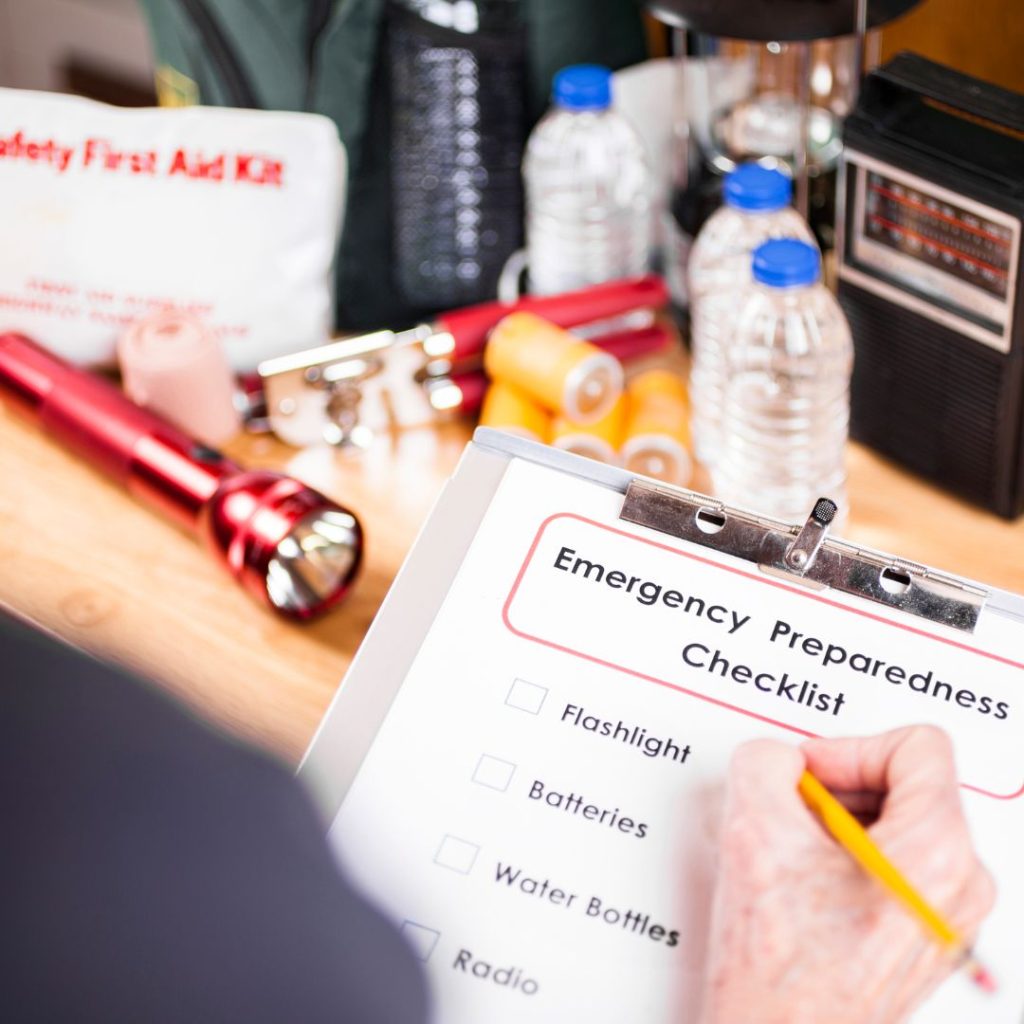
No disaster is more deadly than a house fire for a person with a mobility disability. Contact the local fire department for help in evacuation planning, but make sure the advice fits the needs of the person in your care. Besides the usual advice about home fire safety, such as buying and maintaining smoke alarms and fire extinguishers, help the person in your care follow these tips:
- Buy clothing, linens, and blankets made of fire-resistant material.
- Arrange furniture so it does not obstruct a quick exit.
- Attach a small ready-to-go bag to wheelchair or walker.
- Contact support network members to help if he or she must evacuate a building by stairway.
- Help memorize a few critical phrases to quickly explain her situation to first responders or write it down.
- Practice the emergency plan regularly.
Sources: National Organization on Disability at www.nod.org; Healthlogy; Ready.gov FEMA; http://www.fema.gov/areyouready/emergency_planning.shtm; American Red Cross
HEAP SUMMER CRISIS PROGRAM BEGINS JULY 1
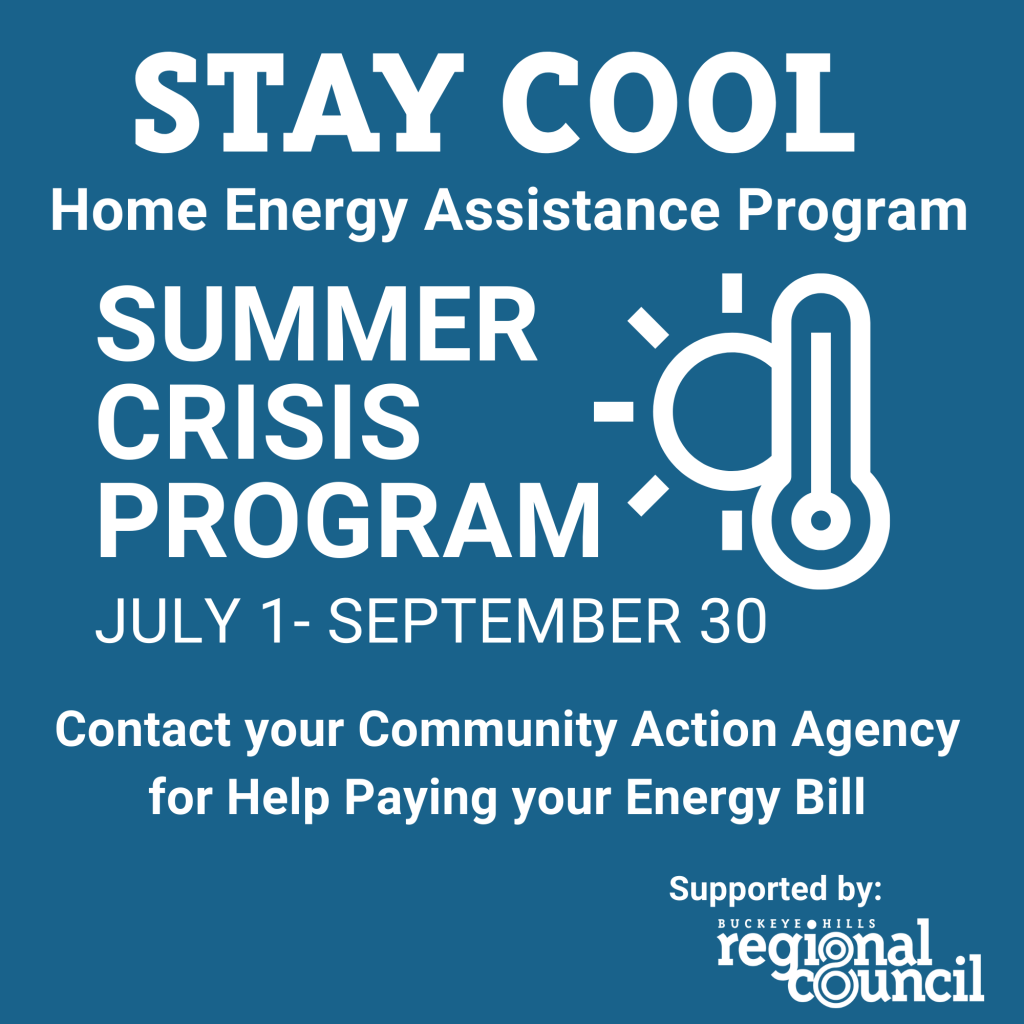
Call your local community action to enroll:
Athens, Hocking and Perry – 740-868-1908
Meigs – 740-737-8696
Monroe and Noble – 740-955-8001
Washington and Morgan – 740-370-1328