
Hygiene- Food Safety
Each year roughly one out of six Americans (48 million people) will get sick from a foodborne disease. Of those, 128,000 will be hospitalized, and 3,000 will die. Older adults and those with underlying conditions are most vulnerable. Many foodborne sicknesses result from food being contaminated when it is being prepared or served, so preventing illness begins with the basics.
- Clean. Wash hands, cutting boards, utensils, and countertops.
- Separate. Keep raw meat, poultry, and seafood separate from ready-to-eat foods.
- Cook. Use a food thermometer to ensure that food is cooked to a safe internal temperature: 145°F for whole meats, 160°F for ground meats, and 165°F for all poultry.
- Chill. Keep your refrigerator below 40°F; refrigerate food promptly.
- Never prepare food for others if you have a cold or flu, diarrhea or have been vomiting.
Be especially careful when preparing food for children, pregnant women, those in poor health, and older adults. Check out at www.foodsafety.gov. Source: CDC; www.IsItDoneYet.gov
Kitchen Hygiene Basics
The dirtiest place in your house isn’t your bathroom—it’s your kitchen sink.
Cleaner kitchen tips:
- Wash the kitchen sink daily with hot, soapy water, particularly after coming in contact with raw meat or poultry.
- Avoid leaving food to linger on countertops before cooking and serving it.
- Keep pets off countertops and tables.
- Damp dish towels breed bacteria. Keep them clean and dry, or use paper towels.
- Dish cloths dry faster and can be laundered in hot water. To clean a kitchen sponge in the microwave, wet it thoroughly, place it in a microwave-safe dish, and microwave on high for about one minute; careful, as it will be very hot when removed. Or soak the sponge in hot, soapy water with a bit of vinegar or bleach for deep cleaning.
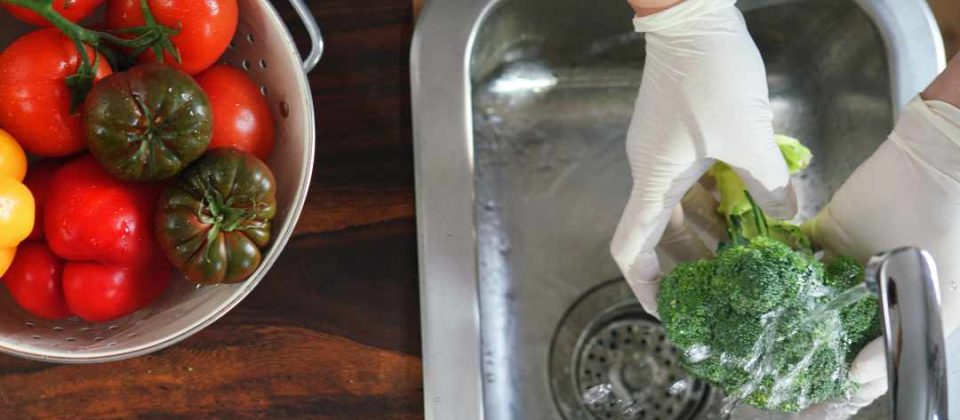
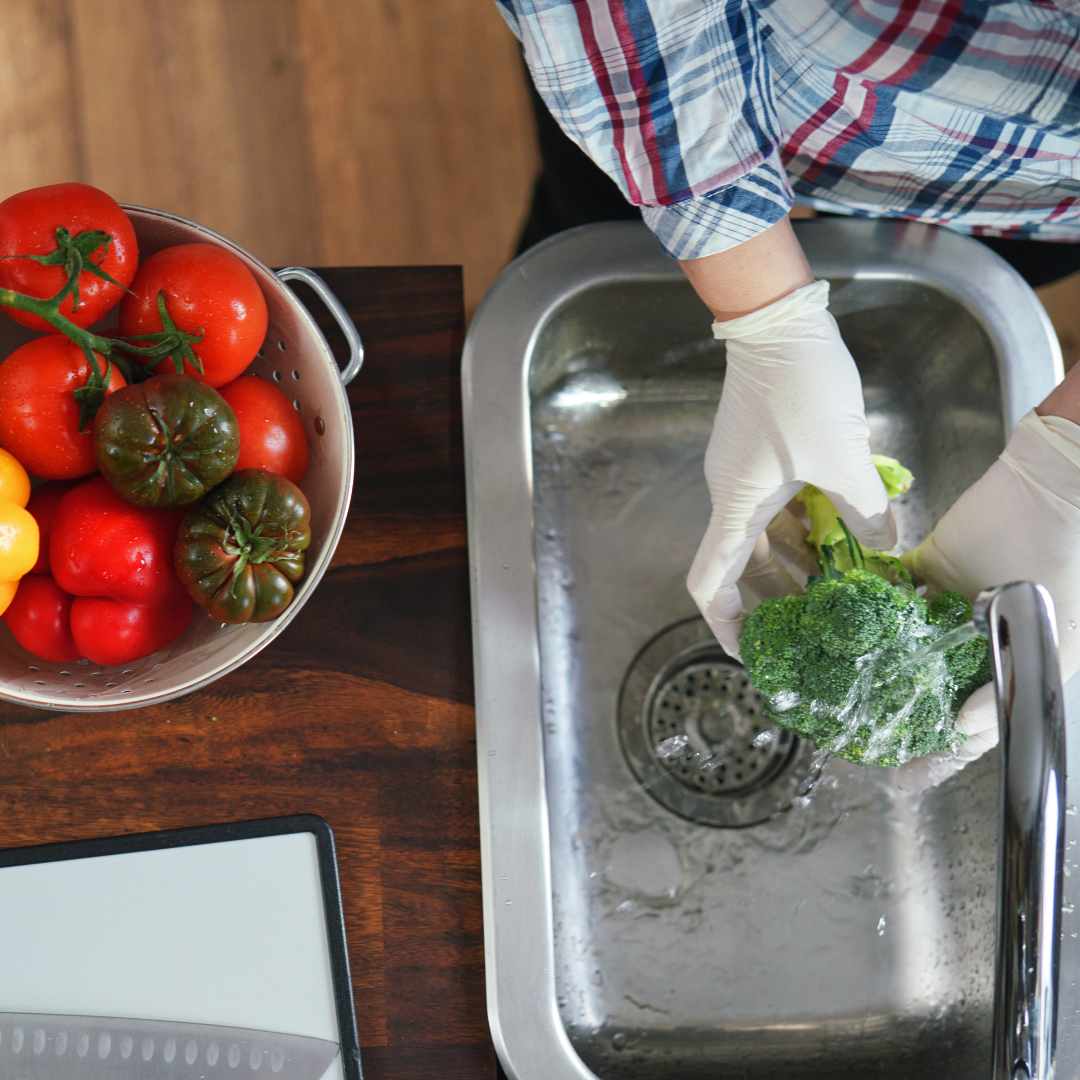
- Scrub fruits and vegetables under running water for at least 10 seconds to remove germs and pesticides.
Universal Precautions
Universal (Standard) Precautions are infection control practices designed to prevent the spread of diseases between caregivers and those in their care. Key measures are—
- Wear disposable gloves when handling body fluids or cleaning contaminated surfaces.
- Use face masks if sick or recently ill.
- Proper needle disposal in designated containers.
- Avoid sharing personal items such as utensils, toothbrushes, or razors.
- Practice good hygiene by covering coughs/sneezes and keeping wounds covered.
- Cleaning and disinfecting soiled laundry and surfaces.
- Use protective gear like gowns and eye protection for high-risk tasks.
When to Wash Your Hands?
- Before and after using disposable gloves.
- After handling dirty items and after using the toilet or assisting a person with toileting or with Depends®.
- Before preparing or serving food (especially raw meat, fish and eggs).
- After any contact with body fluids or blowing your nose.
- After handling pets, their bowls or litter boxes.
- When your hands are dirty, as from gardening or cleaning.
Wash Your Hands Like a Pro
Our hands can be disgusting. They touch everything: raw chicken, doorknobs, money, your face (stop that!), and who knows what else.
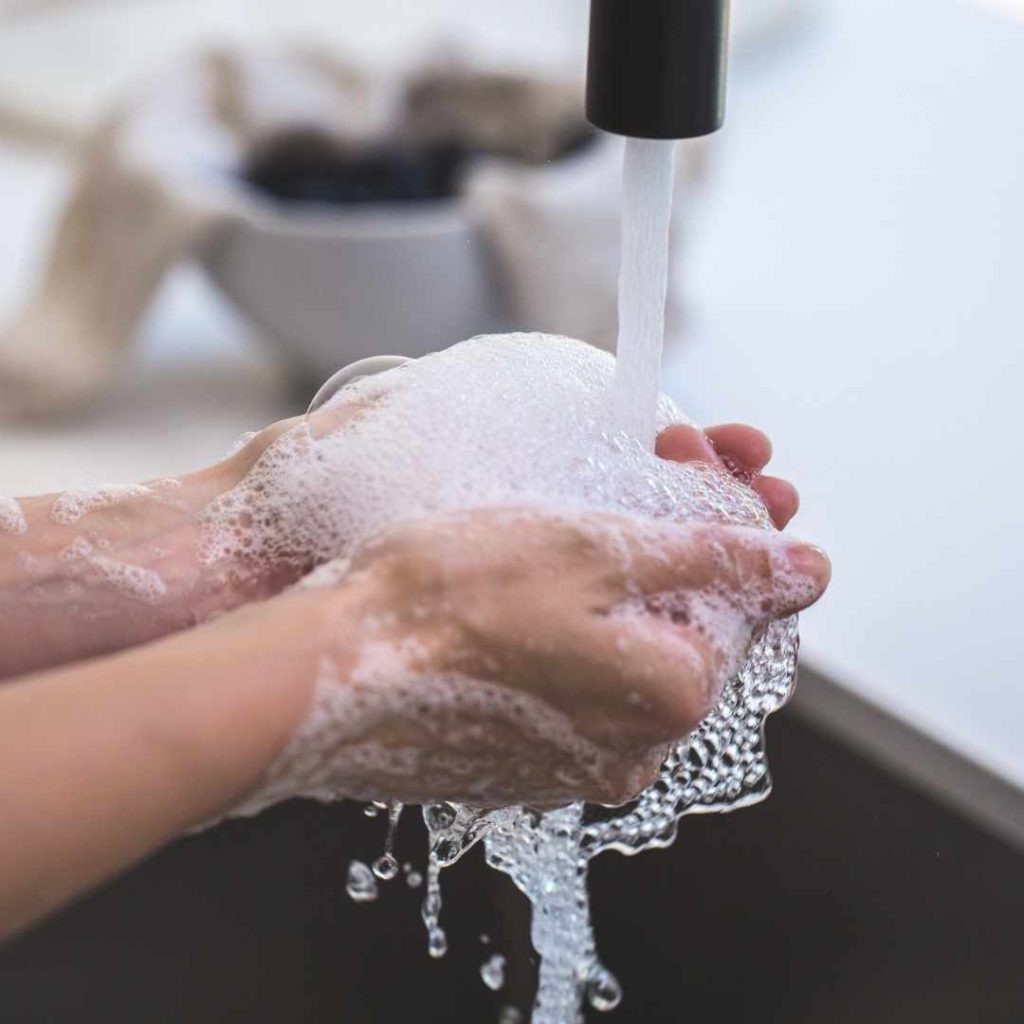
- Rub your hands for at least 30 seconds (hum Happy Birthday twice) to produce lots of lather. Lather-up away from running water so the lather is not washed away.
- Keep your nails trimmed. Scrub under nails with a nail brush and wash between fingers and up the wrists—even if you think they are clean.
- Wash everywhere—front and back of hands, between fingers and at least two inches up your wrists.
- Rinse well under warm running water. Repeat the process for enhanced cleanliness.
- Dry your hands completely on a clean cloth or paper towel.
Handwashing is the easiest way to avoid colds, flu, and regret. So wash up, dry off, and don’t wipe your hands on your pants!
Source: WebMD; Centers for Disease Control
Memory Care- Alzheimer’s Hygiene
Ensure the bathroom is warm, well-lit, and safe with grab bars and non-slip mats. Be patient and calm. Reassure her gently if she becomes resistant or anxious. Using a favorite soap can make her feel more at ease.
Taking Care of Yourself- Battling the Blues
Feeling lonely always hurts, but when it comes to the elderly, it may actually contribute to failing health or an early death. In a study of seniors, the results of which were published in the Archives of Internal Medicine, doctors found that people who reported being lonely were more likely to suffer a decline in health or die over a six-year period than those who were content with their social lives. Loneliness didn’t necessarily mean being alone – almost two-thirds of seniors who reported feeling lonely were married or living with a partner. Researchers defined loneliness as feeling left out or isolated or lacking companionship. Loneliness can leave people vulnerable to pain and other discomforts that an active social life could distract them from. If you feel lonely much of the time, seek out companionship. Look around. Do you notice anyone who is also lonely and could use a kind word and some companionship also?
Safety Tips – When You Lose Power
Help keep your food safe when you experience a power outage.
1.Keep the refrigerator and freezer doors closed. A refrigerator will keep food cold for about 4 hours if the door is kept closed. A full freezer will hold its temperature for about 48 hours, or 24 hours if it is half-full.
2. After a 4-hour power outage, check each food item separately. Throw away refrigerated food like meat, poultry, fish, eggs, and milk. If food in your freezer is partially or completely thawed, it can be safely re-frozen if it still contains ice crystals or is 40°F or below.
3. When in doubt, throw it out. Throw out any food that has an unusual odor, color or texture or feels warm to the touch, and never taste a food to decide if it’s safe.
Source: Foodsafety.gov
Fraud costs Medicare an estimated $60 billion per year.
Learn how to protect yourself and your loved ones by joining the Senior Medicare Patrol (SMP) and their partners for Medicare Fraud Prevention Week which runs the week of June 2.
Learn more at www.smpresource.org
