
Heart Disease – Our Leading Cause of Death
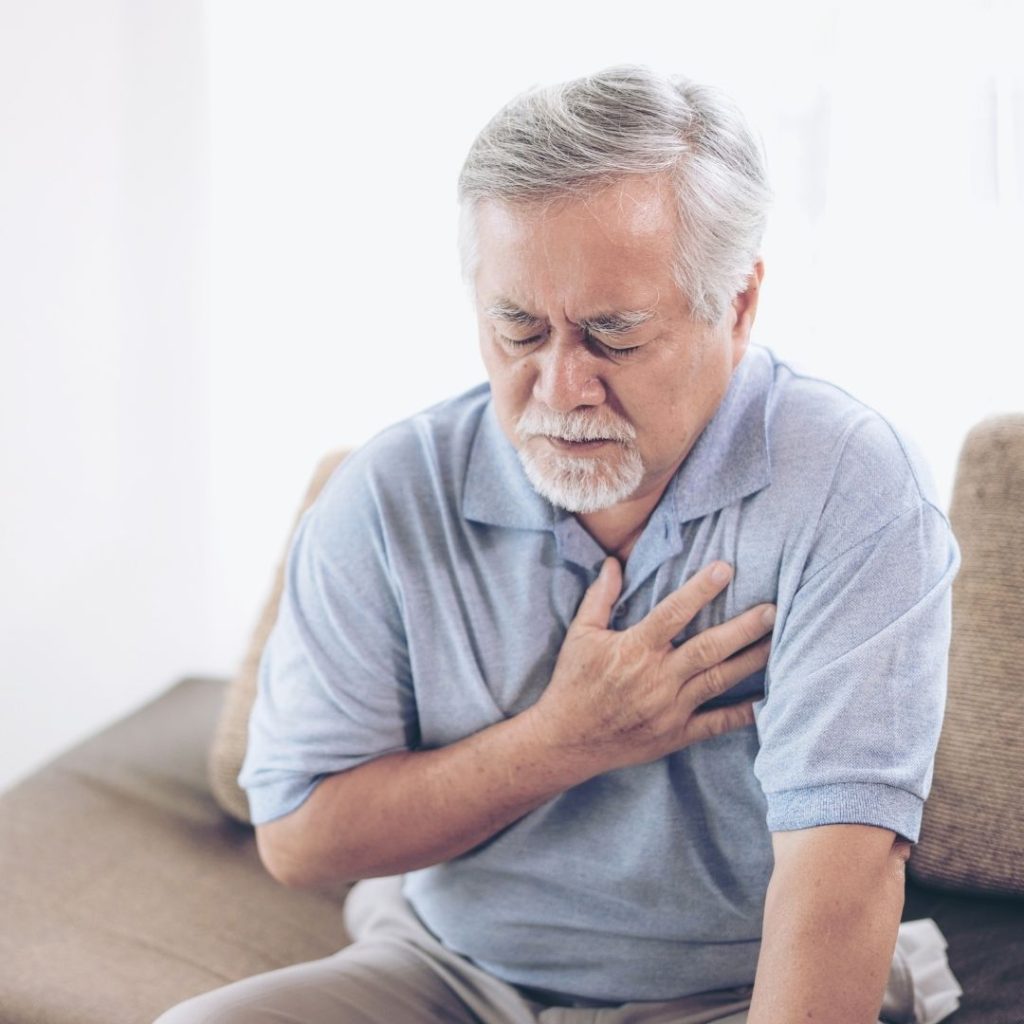
Heart Attack
A heart attack occurs when the blood flow to a part of the heart is blocked, usually by a blood clot. If this clot cuts off the blood flow completely, the part of the heart muscle supplied by that artery begins to die.
Warning signs of a heart attack can be both sudden and intense or they can start out with mild aches and pains and develop slowly. It is important to be able to recognize these warning signs and report them immediately by calling 911:
- New chest pain or discomfort that lasts longer than 15 minutes and is not relieved by rest or medication
- Discomfort in other areas of the body (jaw, neck, back or arm)
- Breaking out in a cold sweat, nausea/vomiting or lightheadedness
- Fainting spell or loss of consciousness
About every 26 seconds, an American will suffer a coronary event, and about every minute someone will die from one.
Calling 9-1-1 is almost always the fastest way to get lifesaving treatment. Emergency medical services (EMS) staff can begin treatment when they arrive — up to an hour sooner than if someone gets to the hospital by car. EMS staff are also trained to revive someone whose heart has stopped. Patients with chest pain who arrive by ambulance usually receive faster treatment at the hospital, too. It is best to call EMS for rapid transport to the emergency room. Source: American Heart Association
Heart Attack Symptoms in Women
Even though heart disease is the No. 1 killer of women in the U.S., women often view the symptoms to be less life-threatening conditions such as acid reflux, the flu or aging.
Many women think the signs of a heart attack are unmistakable. Actually, the signs of heart attack in women may not be obvious and can be confusing. Even when the signs are subtle, the outcomes can be deadly if the woman doesn’t get help right away.
Call 911 to get to a hospital right away if noticing these symptoms:
- Uncomfortable pressure, squeezing, fullness or pain in the center of your chest. It may last more than a few minutes or go away and come back.
- Pain or discomfort in one these areas— arms (one or both), back, neck, jaw, stomach, shortness of breath, with or without chest discomfort, breaking out in a cold sweat, nausea, or lightheadedness.
As with men, women’s most common heart attack symptom is chest pain or discomfort. Some women having a heart attack describe upper back pressure that feels like squeezing or a rope being tied around them. Women may have other symptoms that are typically less associated with heart attack, such as: anxiety, shortness of breath, upset stomach, pain in the shoulder, back or arm or unusual tiredness and weakness.
To Prevent a Heart Attack
Heart disease can be mostly preventable. So be sure to:
- Schedule an appointment with your health care professional to learn your risk for heart disease.
- Quit smoking. Just one year after you quit, you’ll cut your risk of coronary heart disease by 50%.
- Aim for at least 150 minutes a week of moderate-intensity aerobic activity (such as brisk walking) or 75 minutes of vigorous activity (such as jogging), or a combination of both. Try to spread your activity throughout the week. It’s also good to include moderate- to high-intensity muscle strengthening activity, such as resistance or weight training, at least twice a week.
- Include fruits, vegetables, lean proteins, whole grains, low-fat or fat-free dairy, nuts and seeds in your diet. Limit processed foods, added sugars, sodium and alcohol.
Remember
Act fast — symptoms can be subtle, but deadly. Don’t wait. Call 911 if you suspect a heart attack.
Heart Attack Symptoms in Women | American Heart Association
NOTE: Snow Shoveling and Heart Attack Risk in Men
Snow shoveling is a well-known trigger for heart attacks, particularly in men over age 45 who have underlying heart conditions or risk factors like high blood pressure, high cholesterol, smoking, or a sedentary lifestyle.
The risk is heightened because:
- Cold weather causes blood vessels to constrict, raising blood pressure.
- Sudden physical exertion from heavy lifting can strain the heart.
- Early morning shoveling (when many people begin) is especially risky, as heart attack rates are naturally higher in the morning.
This combination puts significant stress on the cardiovascular system, making snow shoveling a dangerous activity for at-risk individuals.
Memory Care
High blood pressure, or hypertension, is one of the most significant risk factors for both heart disease and dementia. When blood pressure remains elevated, it places stress on the arteries, causing damage to small blood vessels in your brain. Over time, this can impair cognitive function and increases the risk of dementia.

Taking Care of Yourself- Yoga and the Heart
Yoga’s combination of stretching, gentle activity, breathing, and mindfulness may have special benefits for people with cardiovascular disease.
Getting into the various postures during a yoga session gently exercises the muscles. Anything that works your muscles is good for your heart and blood vessels. Activity also helps muscles become more sensitive to insulin, which is important for controlling blood sugar.
The deep-breathing exercises help slow the breathing rate. Taking fewer, but deeper breaths, each minute temporarily lowers blood pressure and calms the sympathetic nervous system, which is responsible for generating stress hormones.
People with heart disease often have other health concerns that limit flexibility, such as arthritis. Find a class with a qualified yoga instructor who can meet your health needs and limitations.

Safety Tips- Change What You Can
Start modifying all of the risk factors that you can (weight, activity, smoking, blood pressure). Implement a diet, exercise, and weight-loss program approved by the doctor.
Medication Be sure to fill the prescription on time (to avoid running out) and be diligent that the person in your care takes medicine exactly as directed. DO NOT stop taking any prescribed medication without the approval of the doctor.
Cholesterol and Salt Consumption Because cholesterol is a major factor in coronary artery disease, it is important to get it checked for you and the person in your care. The typical American diet is very high in sodium. Even if no salt is added during cooking, most people still consume too much sodium because most processed foods are high in sodium. When an individual consumes too much sodium, extra fluid builds up in the body, which causes the heart to work harder.