
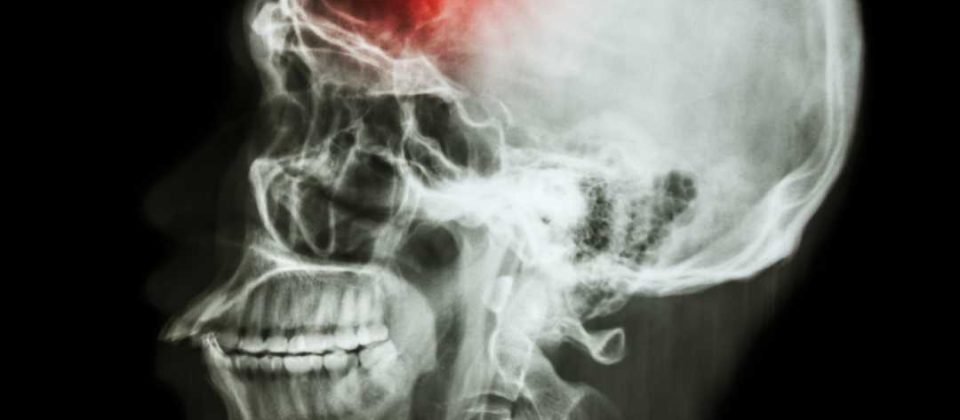
Stroke Often Changes Personality
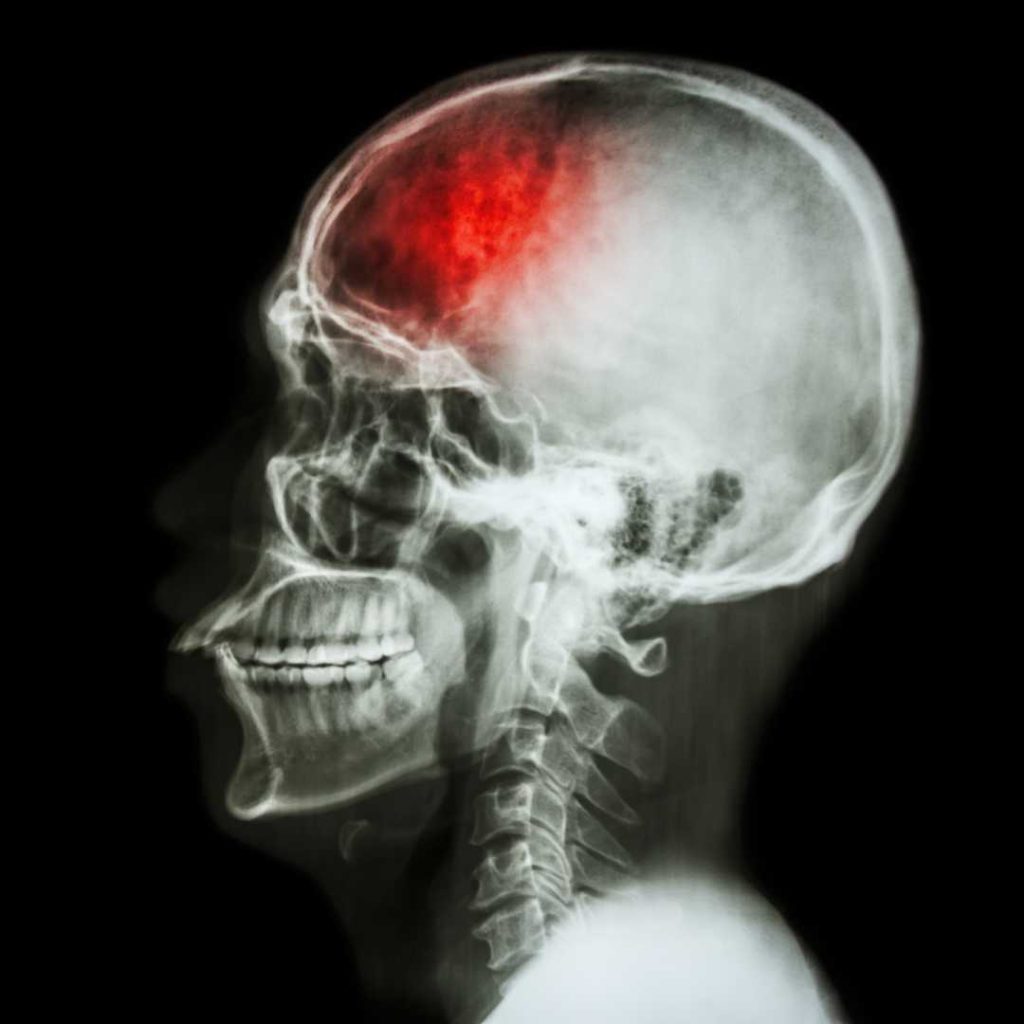 Of all the areas of life that stroke affects, its impact on the survivor’s personality may be the most difficult for family and friends to understand and get used to. Emotional changes are typical after any type of stroke. Depression is very common after any life-changing health challenge, especially if it results in a loss of independence. Although depression is the most common emotional change after stroke, other psychological or mental changes can make the survivor feel upset or frustrated.
Cognitive Challenges
Cognitive deficits are changes in thinking, such as having trouble solving problems. This also includes dementia and memory problems, as well as many kinds of communication challenges.
Expect to repeat things and remind your survivor of things over and over.
Some survivors have the tendency to get things out of sequence (when asked to get dressed the survivor might put on his shoes, then try to put on his socks) or to misunderstand or confuse information.
Stroke survivors may mix up the details about an event. They might think someone had visited in the morning rather than at night.
Communication in all its forms often changes after a stroke. In addition to communication problems like aphasia, a condition affecting the ability to understand language, communication deficits may include decreased attention, and the inability to inhibit behavior that is not appropriate for the situation.
Some survivors lose the ability to read or relate to people, for instance, they can’t understand the emotional meaning of a message or understand body language. Some have a deficit where the person is unable to stop himself from doing things. Survivors with this deficit can’t seem to “put the brakes on,” for instance, they can’t get off a specific topic during conversation. This can be extremely difficult for family members.
Problem-solving ability is sometimes affected. Survivors sometimes think they can do things safely that they actually can’t do, like getting up and walking or driving. They fail to think before they act.
Rehabilitation
Cognitive rehabilitation helps stroke survivors learn to think in sequence again or provides new behavior to overcome this problem. It is usually provided by speech therapists. Neuropsychologists and occupational therapists can also help with cognitive rehab. There are computer software programs available to help survivors regain skills, but check with a therapist before making a purchase.
Personality Changes
Some stroke survivors don’t seem to care about anything which is called apathy. It is easy to mistake apathy for depression because the person is content to sit and stare at the wall all day.
With apathy, the person seems not to have emotions or to care about anything. People with apathy are not motivated or interested in things. They are generally satisfied and content with doing nothing.
Depression, on the other hand, is an emotion in which the person feels sad and often discouraged, hopeless about the future, perhaps even says he wants to kill himself. The person does not feel content or satisfied.
Whether apathetic or depressed, the best response is to get your survivor active and moving. Give her a choice of what to do or where to go, but make it clear she must choose to do something. Lying in bed all day or staying in her pajamas is not an option.
Neglect
Some stroke survivors may experience what is called neglect. Neglect is a disorder in which the stroke survivor does not pay attention to or notice things on one side of the body. Neglect can range from someone who doesn’t recognize paralyzed limbs as his own to someone who ignores food on one side of the plate, or words on one side of the page. Note, driving is extremely dangerous for anyone with neglect.
Family members can help survivors who have neglect by encouraging them to pay attention to the neglected side. Talking to them from that side helps them to focus and concentrate on that side.
Impulsiveness
Another personality change that occurs after stroke is impulsiveness. Survivors with this disorder don’t think ahead. They may move too quickly or try to drive when they have neglect.
NOTE: There is no way to predict what deficits (losses) a stroke survivor will be left with, how severe those deficits will be, or how long they will last. Most doctors claim that whatever the survivor has regained in the first six months to a year is what he or she will be left with forever.
Memory Care- Stroke with Alzheimer’s
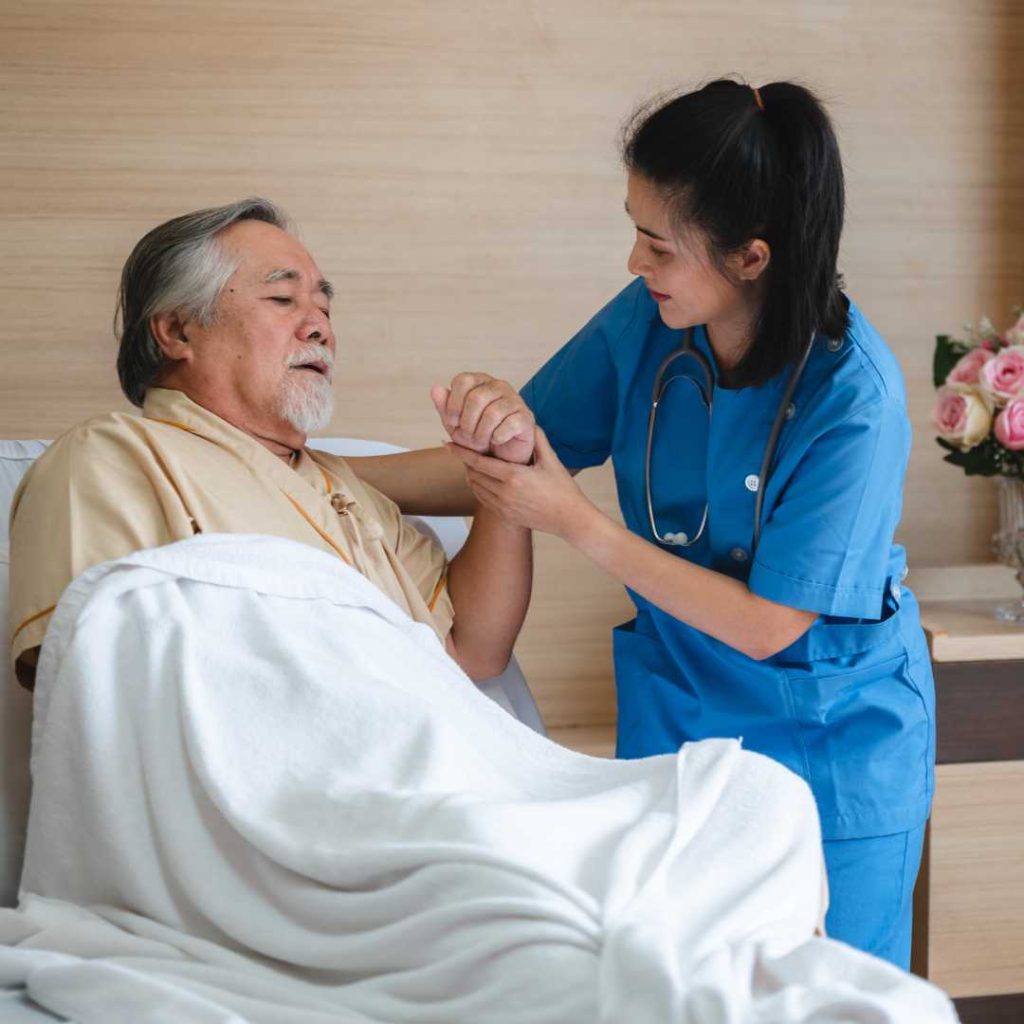 Stroke can worsen the symptoms of Alzheimer’s or bring them on earlier. Recovery may be more difficult due to pre-existing brain damage. It may lead to faster cognitive decline, mood swings, and reduced mobility or speech. Treatment is more complex, requiring management of both cardiovascular health and neurodegeneration.
Taking Care of Yourself- Social Support
A lot of emotional healing requires active social support. Isolation may feel like the easiest response, but it is not healthy for you, the caregiver, or your survivor. There is life after stroke, but you have to stay active and stay around people. Support groups are crucial for stroke recovery. For help in finding a support group near you, call the American Stroke Association Warmline, 1-888-4-STROKE (478-7653) or visit www.StrokeAssociation.org/strokegroup and enter your ZIP code.
NOTE – Cigarette smoking is a major, preventable risk factor for stroke.
Safety Tips – React FAST
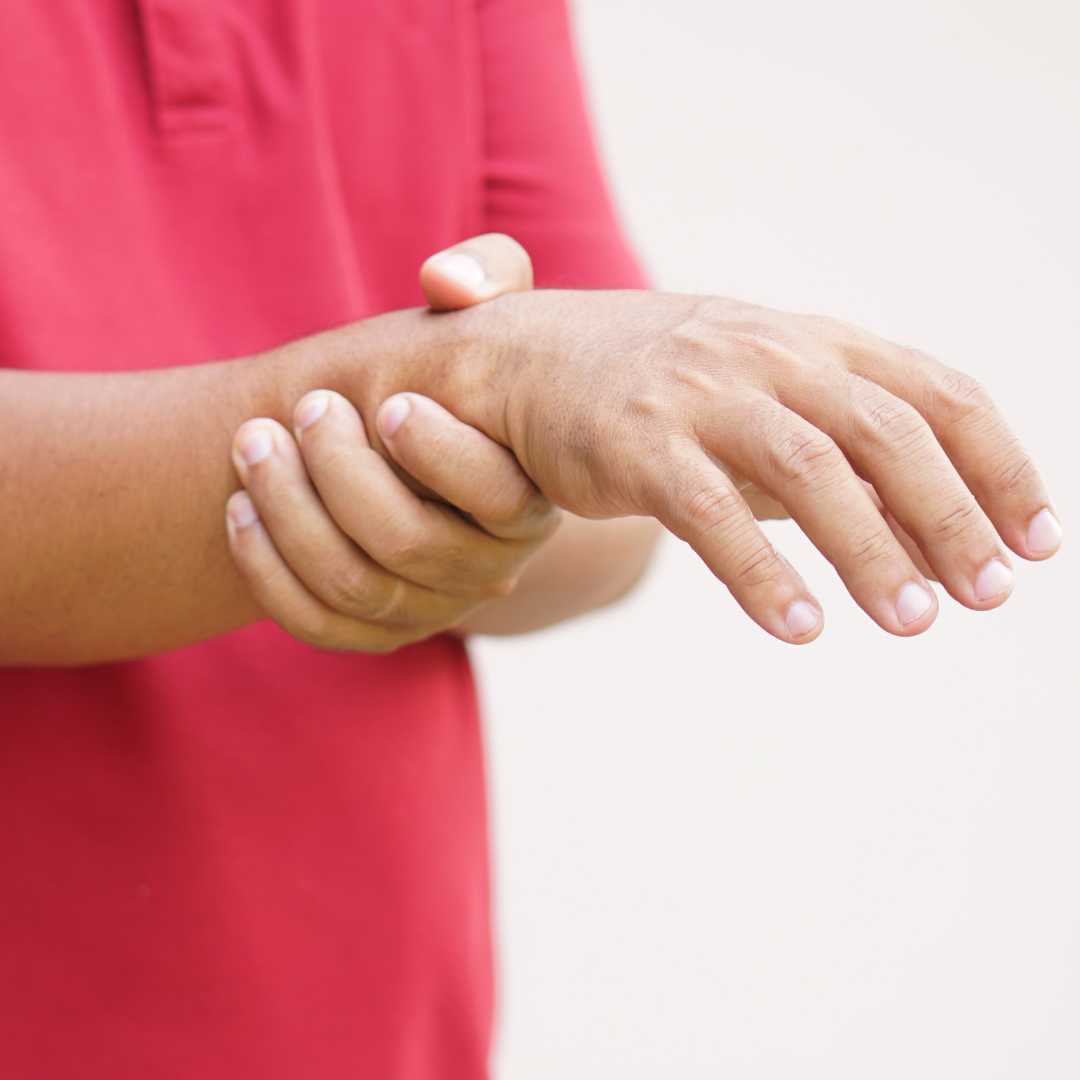 Here’s a tool to help you remember what to look for, so you can call emergency assistance. Think FAST, act FAST:
Facial droop
Look at the smile; have person show his teeth. Does the face look lopsided? If the face droops on one side, this could be a stroke.
Arm weakness
This could be subtle. The person could drop things, be unable to hold arms extended in front without one arm “drifting” down. In more severe cases, there may be inability to move the arm at all.
Speech
Have the person repeat “You can’t teach an old dog new tricks.” The speech should be clear. If slurred, garbled or abnormal in any way, or if the person is unable to speak at all, this could be a stroke.
Time
Note the time the changes started. This is very important when determining what emergency treatment is given at the hospital.