
Recognize Types of Elder Abuse

Abuse doesn’t always come from spite—it can arise from stress, ignorance, or lack of support. Recognizing early signs in yourself (like irritability, withdrawal, or feelings of helplessness) can help prevent escalation. Prevention includes:
- Education: Understanding dementia and its symptoms.
- Communication training: Learning to de-escalate and interpret nonverbal cues.
- Support systems: Seeking respite care, counseling, or caregiver support groups.
- Boundaries: Knowing your limits and asking for help before you reach a breaking point.
When caregivers become exhausted, resentment starts to build, especially when caring for someone with dementia or a very difficult or abusive person. People with dementia are especially vulnerable to mistreatment. Exploitation of people living with dementia is a fast growing crime. While it is estimated 15–20% of all elders will experience some sort of neglect, abuse, or exploitation, the number climbs to nearly 50% for those living with some form of dementia. Understanding dementia, knowing how best to communicate with a person with dementia, and having adequate support for yourself can go a long way toward preventing the abuse. Abusers are both women and men, and people of all ages. An analysis of calls to the National Center on Elder Abuse resource line found that family members were the perpetrators in nearly 47% of incidents. Medical (non-family) caregivers were perpetrators in almost 13% of cases, while only 6.7% of callers did not know their abuser.
Signs of Abuse
Neglect – Refusing to provide food, medicine and personal care, such as bathing or helping a person with toileting; or withholding eyeglasses, dentures or walking aids. Bedsores, unattended medical needs, poor hygiene, unusual weight loss.
Physical abuse – Defined as using force or violence (pushing or slapping) to get a person to do something, or using confinement or restraints (over-medicating, tying hands) to prevent a person from doing something.
Sexual abuse – Touching, fondling, intercourse, or any other sexual activity with an older adult, when the older adult is unable to understand, unwilling to consent, threatened, or physically forced.
Emotional abuse – Intentionally keeping the person from friends and family; verbally attacking or demeaning him. Continued shaming, harsh criticism, or controlling behaviors can damage the self-esteem of either person. Feelings of helplessness, a hesitation to talk openly, fear, withdrawal, depression, feelings of denial or agitation. Changes in the person’s behavior or emotional state, such as withdrawal, fear or anxiety, or apathy.
Financial abuse – Stealing money, credit cards or property; tricking a senior into signing documents, such as wills; be alert to the senior’s comments about being taken advantage of.
Financial Abuse-Warning Signs

Predators robbing seniors of their savings has been called “the fastest-growing crime in the country.”
Most seniors never report abuse, even when they know their funds are being taken, because they’re overwhelmed at the idea of involving the police, or fear being forced to go to a nursing home or are ashamed—especially when the abuser is a family member or caregiver. Isolation of the victim by the perpetrator is a strong indicator of undue influence. Often the victim is already living alone and sometimes is removed from contact with outsiders, due either to physical limitations or a psychological fear of leaving the home.
The National Center on Elder Abuse estimates that only one in four cases of financial abuse is reported.
Unscrupulous people manipulate elderly people into giving their consent for financial transactions, so be aware of:
- Sudden changes in a senior’s banking habits, such as frequent withdrawals being made through ATMs, especially if the victim is physically frail and has not previously used an ATM; transfer of funds to new accounts at banks with which the victim has had no prior connection, and frequent transfers of funds among several accounts.
- Checks written to unusual recipients or large credit card transactions.
- Sudden transfer of assets to a family member or acquaintance without a reasonable explanation.
- Complaints of stolen pension or Social Security checks or credit cards.
- New signatories added to an elder’s account.
- Abrupt changes in a will or other financial documents.
Resource for You
The Adult Protective Services Agency is responsible for investigating reports of domestic elder abuse and providing families with help and guidance. Other professionals who may be able to help include doctors or nurses, police officers, lawyers and social workers. If someone is in imminent danger, call 911 NOW.
If your concern is for someone who lives in another state, call the Eldercare Locator (800) 677-1116 for in-state help-line phone numbers. Visit www.eldercare.gov.
Memory Care – Neglect
One form of neglect is communication neglect, the deliberate or unintentional failure to communicate or relate to a person with dementia who is perceived as challenging—being uncooperative, inappropriate, or aggressive. Communication neglect can isolate the older adult from critically needed socialization.
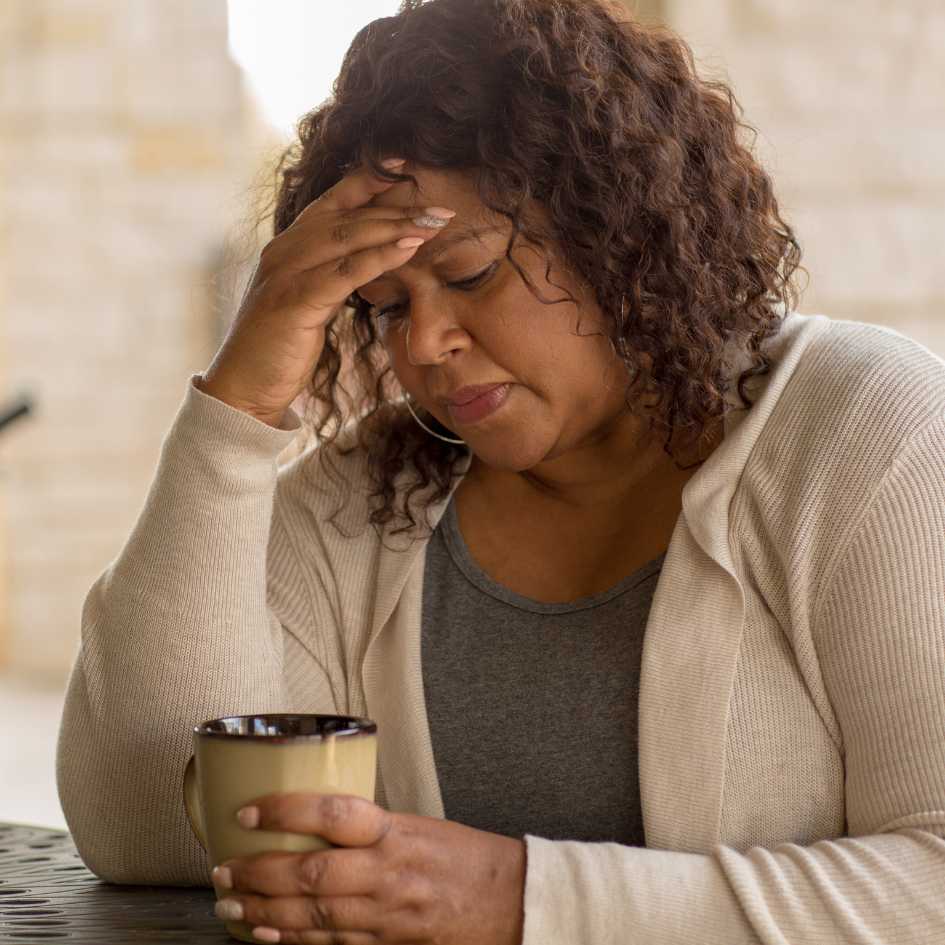
Taking Care of Yourself- Worried and Anxious
With economic troubles and wars in the news every day, everyone worries. Anxiety disorders, which include panic attacks and phobias, affect millions of adults. If you feel extremely worried or afraid much of the time, or often feel panicky, talk with your doctor. Anxiety disorders can be mild, moderate or severe, but overcoming them generally takes more than just “facing your fears.” People are ashamed to admit to phobias and persistent worries, which seem like signs of weakness. Ask your doctor about therapies that can help to control anxiety.

Safety Tips- Counterfeit Drug Scams and Online Risks for Seniors
As more seniors turn to the Internet to find affordable medications, counterfeit drug scams have surged. According to the U.S. Food and Drug Administration (FDA) and the World Health Organization (WHO), nearly 1 in 10 medications sold online worldwide are counterfeit or substandard, and many illegal pharmacy websites disguise themselves as legitimate sellers.
These scams are especially dangerous. Victims may pay for medications that contain no active ingredients, the wrong dosage, or toxic substances such as heavy metals or fentanyl analogs. Beyond wasting money, taking counterfeit or contaminated drugs can lead to serious health complications or even death.
Older adults seeking cost savings on specialized medications—such as treatments for heart disease, diabetes, or dementia—are frequent targets. Scammers often use fake “Canadian pharmacy” sites, email promotions, or social media ads to attract customers with promises of big discounts and “no prescription needed” offers. Check legitimacy on FDA’s BeSafeRx website.